


Are you a new chicken keeper feeling a little overwhelmed by everything your flock needs each day? You are not alone. Most beginners dive into backyard chicken keeping with plenty of enthusiasm, but quickly realise that without a clear plan, things can get chaotic fast, with missed feedings, dirty waterers, stressed hens, and even sick birds. The good news? Getting your flock thriving does not require hours of work. What it does require is a consistent, simple daily care routine for chickens that you can actually stick to.
Why a Consistent Routine Matters
Chickens are creatures of habit. They thrive on predictability, and disruptions to their schedule can cause unnecessary stress that affects egg production, immunity, and overall well‑being. Establishing a solid routine from the very beginning means your flock learns what to expect, and you learn what to look for, making it far easier to spot early signs of illness or problems before they escalate.
Beyond the birds themselves, a good routine protects your investment. Quality chicken coops and hutches can last for years when properly maintained, and daily upkeep is a major factor in that. Letting waste build up, damp bedding linger, or feed go stale can quickly damage both your coop and your flock's health.
Morning Tasks: Starting the Day Right
The morning is the most important part of your day as a chicken keeper. Here’s what to do as soon as the sun rises:
- Open the Coop and Do a Visual Check. Before anything else, open the coop and observe your chickens. Watch how they move, whether anyone is lagging behind, and if all birds appear present and accounted for. A healthy chicken is alert, active, and eager to get outside.
- Refresh the Water. Clean, fresh water is non‑negotiable. Empty and rinse waterers every morning, then refill with clean water. Chickens drink more than most people expect, up to 500ml per bird per day, and dirty water is one of the fastest ways to spread disease through a flock.
- Top Up the Feed. Offer a fresh supply of quality layer pellets or crumble each morning. Check feeders for dampness, mould, or pests and clean them out as needed. Do not leave uneaten wet feed sitting; it spoils quickly and attracts rodents.
Midday Check‑In: A Quick but Important Habit
If your schedule allows, a brief midday visit is a great addition to your daily care routine for chickens, especially during extreme weather.
- Refill water if levels are low or it is a hot day.
- Scatter some afternoon treats like kitchen scraps or dried mealworms to encourage foraging behaviour.
- Check for broody hens sitting stubbornly in nesting boxes and gently move them if needed.
Afternoon and Evening Tasks: Winding Down Safely
As the light fades, chickens naturally begin heading back toward their coop. This is your window to wrap up the day:
- Final Egg Collection. Do a second round of egg collection in the late afternoon. Leaving eggs overnight increases the risk of breakage and can attract snakes, rodents, and other predators.
- Top Up Feed if Needed. Chickens often have a big feed just before roosting. Make sure feeders are not empty heading into the evening; hungry hens sleep poorly and are more susceptible to stress.
- Secure the Coop. This is arguably the most critical step of the entire routine. As soon as your birds have returned to roost, typically around dusk, close and latch the coop securely. Foxes, dogs, and other predators are most active at night, and an unlatched coop door is an open invitation. A well‑built coop from Chicken Coops and Hutches will have secure latching systems designed with predator prevention in mind.
Weekly and Periodic Tasks to Keep in Your Routine
While not strictly daily, these tasks slot into your broader weekly rhythm and are worth planning for:
- Full coop clean‑out: Remove and replace all bedding at least once a week, or more often in wet weather. Fresh bedding reduces ammonia build‑up, which damages respiratory health.
- Feeder and waterer deep clean: Give all equipment a scrub with a mild vinegar solution weekly.
Seasonal Adjustments to Keep in Mind
Your routine will naturally shift with the seasons. In summer, hydration becomes the top priority; add extra waterers, provide shade, and consider frozen treats on extreme heat days. In winter, the focus shifts to keeping bedding dry, ensuring adequate ventilation without drafts, and monitoring hens who may reduce or stop laying in low‑light months.
Understanding these seasonal rhythms and adjusting your daily care routine for chickens accordingly is what separates a struggling flock from a thriving one.
Setting Up for Success: The Right Coop Makes It Easier
A big part of making your daily routine sustainable is starting with a coop that works for you. Easy‑access egg doors, removable droppings trays, good ventilation, and secure locks all translate directly into time saved and stress reduced every single day. Investing in quality chicken coops and hutches designed for Australian conditions means your setup will support, not fight against, your routine from day one.
Final Words
Caring for chickens does not require complicated systems or hours of work each day. What matters most is consistency. When feeding, cleaning, observing, and securing your coop become part of your regular schedule, your flock naturally benefits.
A well‑maintained coop, reliable food and water supply, and a watchful eye all contribute to stronger, healthier birds and steady egg production. Over time, these daily habits become an enjoyable part of backyard life rather than a chore.
If you are setting up your flock or upgrading your coop, quality housing makes a significant difference in maintaining a reliable care routine. At Chicken Coops and Hutches, you will find thoughtfully designed coops that make everyday chicken keeping easier and more enjoyable.
FAQs
How long does daily chicken care take?
Do chickens need attention every day?
Yes, chickens should be checked daily. They need fresh food, clean water, and a quick health check to ensure they remain safe and comfortable.
What is the most important part of caring for chickens?
Consistent access to food, clean water, and a secure coop are the most important factors. Regular observation is also crucial because it helps detect health issues early, before they become serious problems.
Related Product

Automatic Chicken Door
Automatic Chicken Door:Please note single orders we send via australia post satchels costing $18.Thi..
$60.00
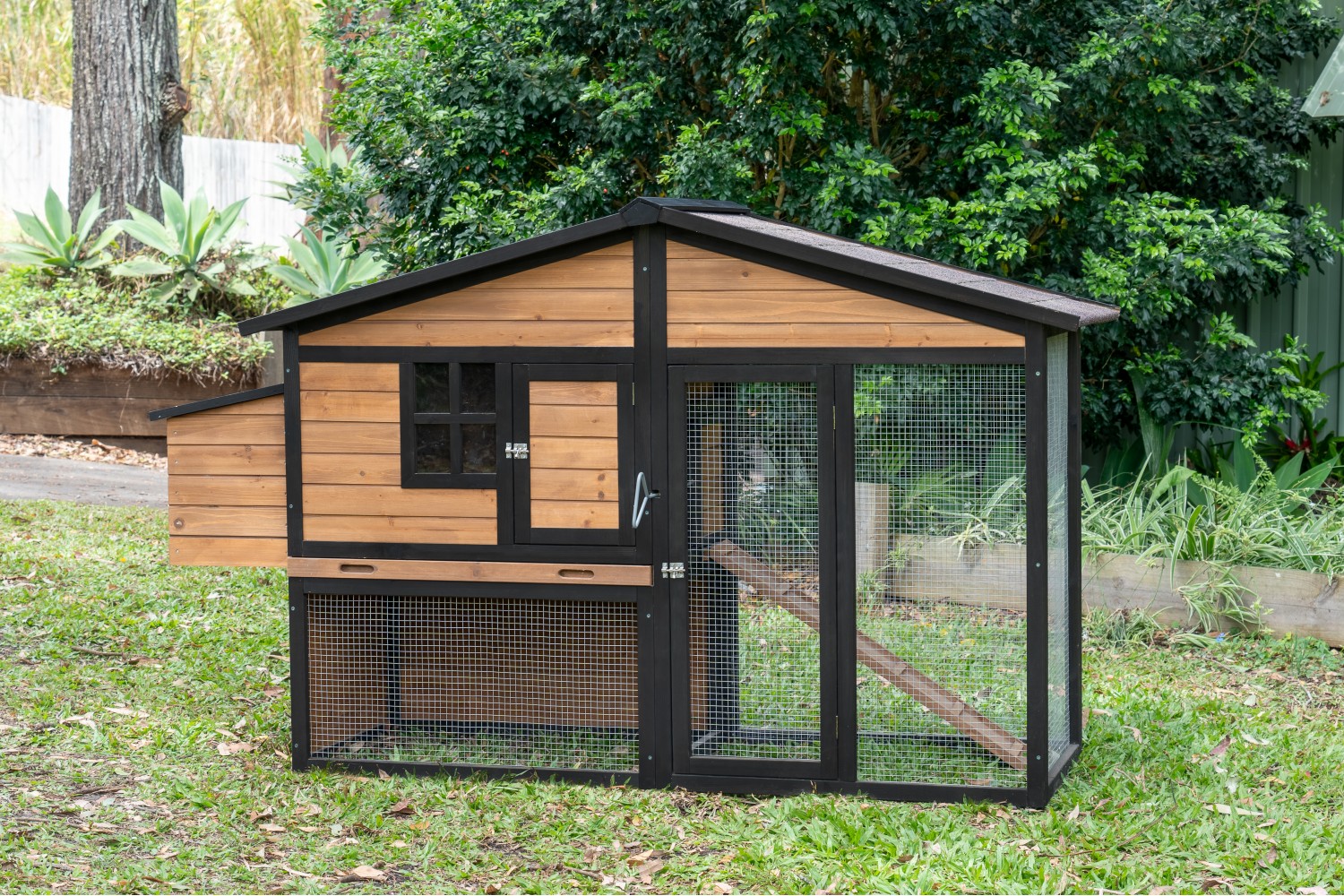
Brunswick A Frame Chicken Coop
Brunswick A Frame Chicken Coop The Brunswick chicken coop is made from 100% cedar wood which ..
$390.00
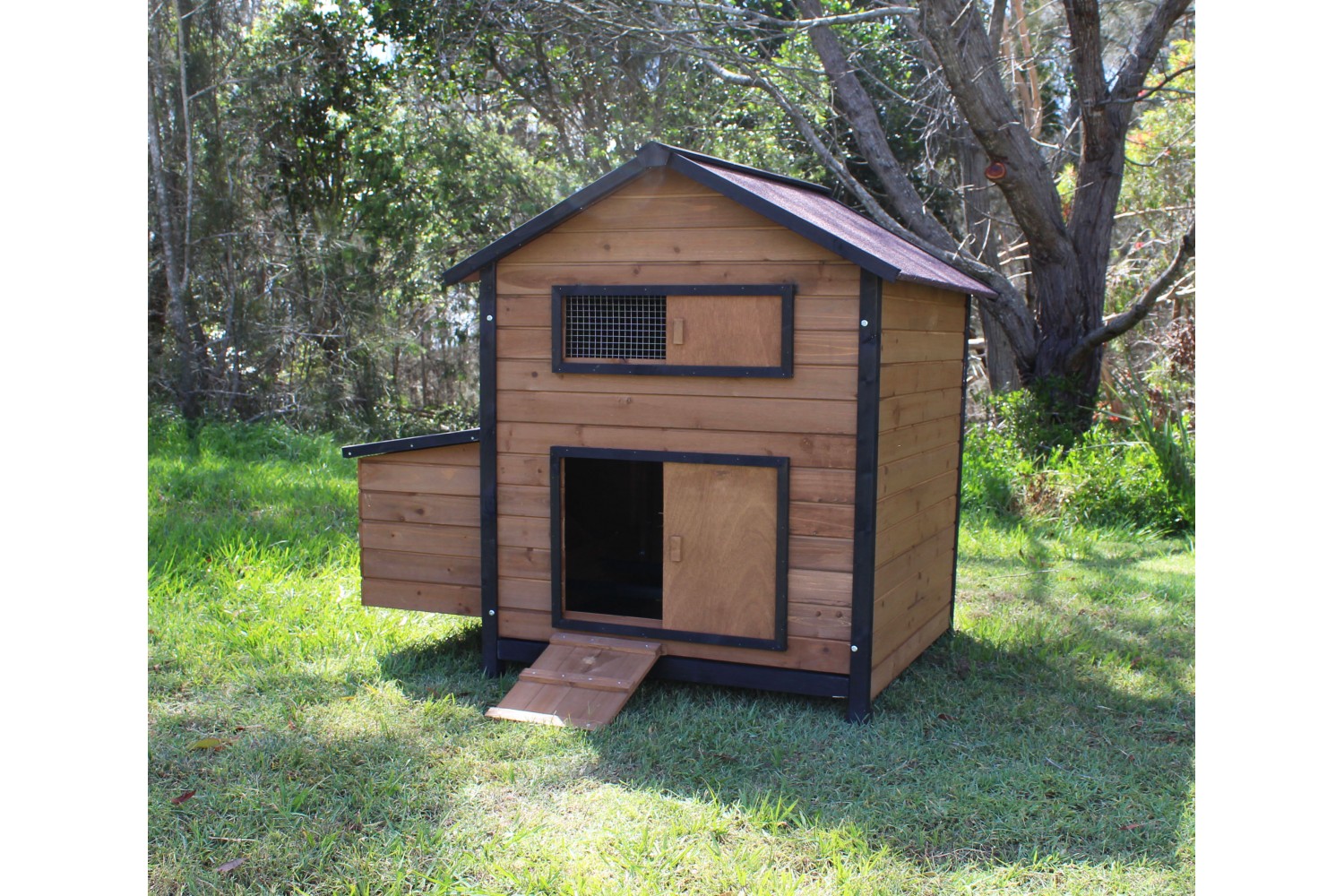
Brunswick Large Chicken Coop
Brunswick Large Chicken Coop The Brunswick Large chicken coop is made from 100% cedar w..
$390.00