
-1500x1000.png "https://www.chickencoopsandhutches.com.au/image/cache/catalog/Best%20Waterproof%20Sealants%20for%20Chook%20Coops%20in%20Australia%20(2026)-1500x1000.png")

If you keep backyard chickens in Australia, protecting your chook coop from moisture is one of the most important maintenance tasks you can do. From coastal humidity to heavy summer storms, Australian weather puts serious pressure on timber structures. The right waterproof sealant keeps your coop dry, extends its lifespan, and, most importantly, keeps your flock safe and healthy.
This guide walks you through what to look for in a coop-safe sealant, the different types available, and how to apply them properly.
Why Waterproofing Your Chook Coop Matters
Untreated timber absorbs moisture. Over time, this leads to rot, mould, and warping, which weakens the structure and creates an unhealthy environment for your birds.
Moisture inside a coop also raises the risk of respiratory illness in chickens, encourages red mite infestations, and causes ammonia to build up faster in bedding. A well-sealed coop is easier to clean, holds its shape longer, and costs far less to maintain over the years.
In Australian climates, whether you are dealing with the wet tropics of Queensland, the cold winters of Victoria, or the dry heat of South Australia, timber coops need protection that suits local conditions.
What to Look for in a Coop-Safe Sealant
Not every sealant on the market is safe to use around poultry. Chickens peck at surfaces, breathe air inside the coop, and spend a lot of time in contact with treated timber. Here is what matters most:
- Non-toxic when dry - Look for water-based products that are safe for animals once fully cured. Avoid anything with high VOC (volatile organic compound) levels or products labelled for industrial use only.
- Mould and mildew resistance - Australia's humidity makes this essential. A sealant that resists fungal growth will keep interior surfaces cleaner for longer.
- UV stability - Outdoor surfaces need protection from Australia's intense sun. UV-stable sealants won't crack or peel as quickly.
- Flexibility - Timber expands and contracts with temperature changes. A flexible sealant handles this movement without cracking.
- Ease of reapplication - Coops need resealing every one to three years. Choose a product that is easy to apply over existing coats.
Types of Waterproof Sealants for Timber Coops
1. Water-Based Timber Sealants
These are the most commonly recommended options for backyard coops. They dry quickly, have low odour, and are considered safe for use around animals once fully cured. They are also easy to clean up with water.
Water-based sealants penetrate the timber surface rather than sitting on top, which makes them ideal for older or rough-cut timber often used in coop construction.
Best for: Nesting boxes, interior walls, timber perches, and flooring.
2. Linseed Oil (Raw or Boiled)
Raw linseed oil is one of the oldest and most natural wood preservatives available. It soaks deep into timber and provides good moisture resistance. Boiled linseed oil dries faster and provides a slightly harder finish.
It is non-toxic and has been used around livestock for generations. The downside is that it requires more frequent reapplication, typically once a year, and takes longer to dry between coats.
Best for: External cladding, roof trim, and run frames.
3. Tung Oil
Tung oil is a plant-based drying oil that offers excellent water resistance and a natural finish. It is durable, food-safe when fully cured, and performs well in both wet and dry conditions.
It is a popular choice among backyard chicken keepers who want a more natural product. Like linseed oil, it needs regular reapplication but is considered very safe for use around animals.
Best for: Timber doors, perch rails, and any surface chickens frequently contact.
4. Exterior Decking Oils and Sealants
Products designed for timber decking can also work well on coop exteriors, provided they are water-based and labelled as safe for use around pets or children once dry. These tend to offer good UV protection and are widely available at hardware stores across Australia.
Always check the label before applying. Some decking products contain fungicides or preservatives that may not be suitable for use inside an enclosed coop where chickens spend the night.
Best for: Exterior walls, roof overhangs, and elevated run structures.
Application Tips for Best Results
Getting the most out of a sealant comes down to preparation and patience:
Clean the surface first. Remove dirt, old flaking coatings, and any signs of mould. Smooth the rough areas.
Apply in dry conditions. Most sealants should be applied when the timber is dry, and temperatures are above 10°C. Avoid applying in direct sunlight or on windy days.
Apply thin, even coats. Two to three thin coats perform better than one heavy coat. Allow each coat to dry fully before adding the next.
Pay attention to joints and end grain. These areas absorb the most moisture and need extra attention. End grain may need a second or third coat.
Ventilate the coop between coats. Even low-VOC products need fresh air to cure properly. Keep chickens out of the coop until the sealant is fully dry and odour-free, usually 24 to 48 hours.
A Factor Worth Considering: Feeding and Watering Space
When sealing your coop, it is a good time to review the layout of your feeding and watering space as well. Moisture often accumulates around water drinkers and feeder stations. Sealing the timber in these areas reduces the risk of rot and makes spills easier to wipe down. If your feeding and watering space is inside the coop or run, use a food-safe, fully cured sealant on those surfaces to avoid any risk of contamination.
How Often Should You Reseal?
Final Thoughts
Frequently Asked Questions
Related Product
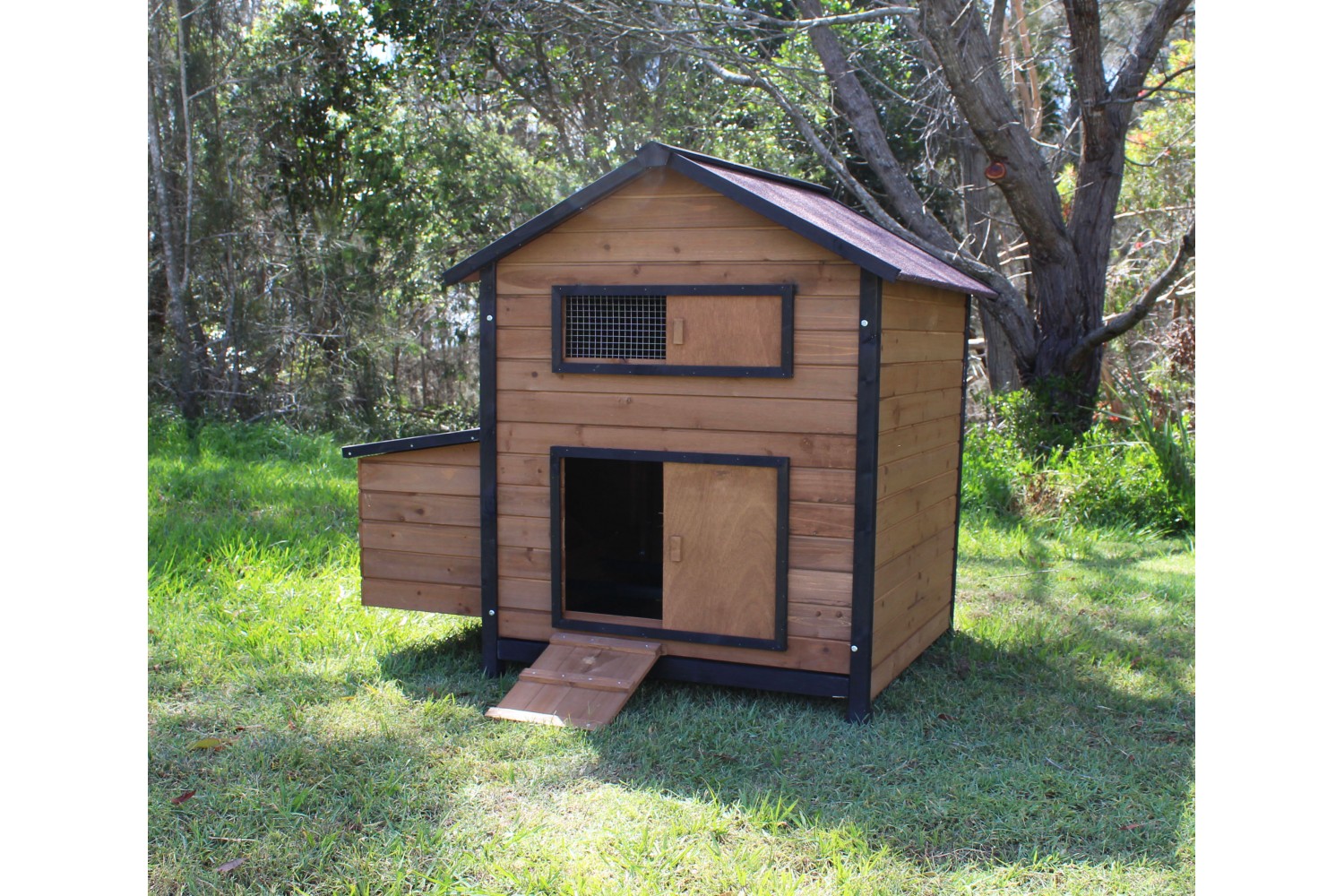
Brunswick Large Chicken Coop
Brunswick Large Chicken Coop The Brunswick Large chicken coop is made from 100% cedar w..
$390.00
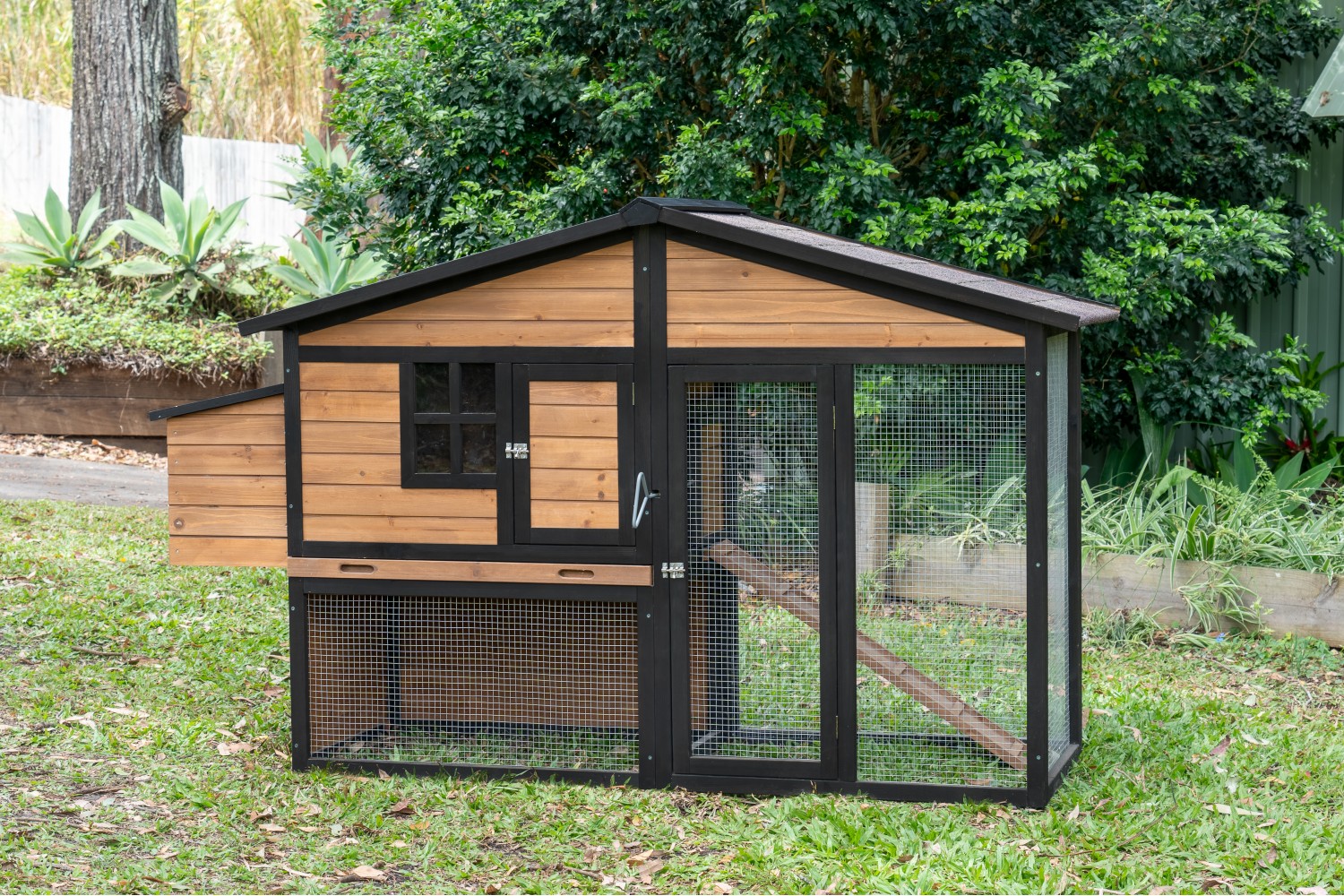
Brunswick A Frame Chicken Coop
Brunswick A Frame Chicken Coop The Brunswick chicken coop is made from 100% cedar wood which ..
$390.00

Automatic Chicken Door
Automatic Chicken Door:Please note single orders we send via australia post satchels costing $18.Thi..
$60.00