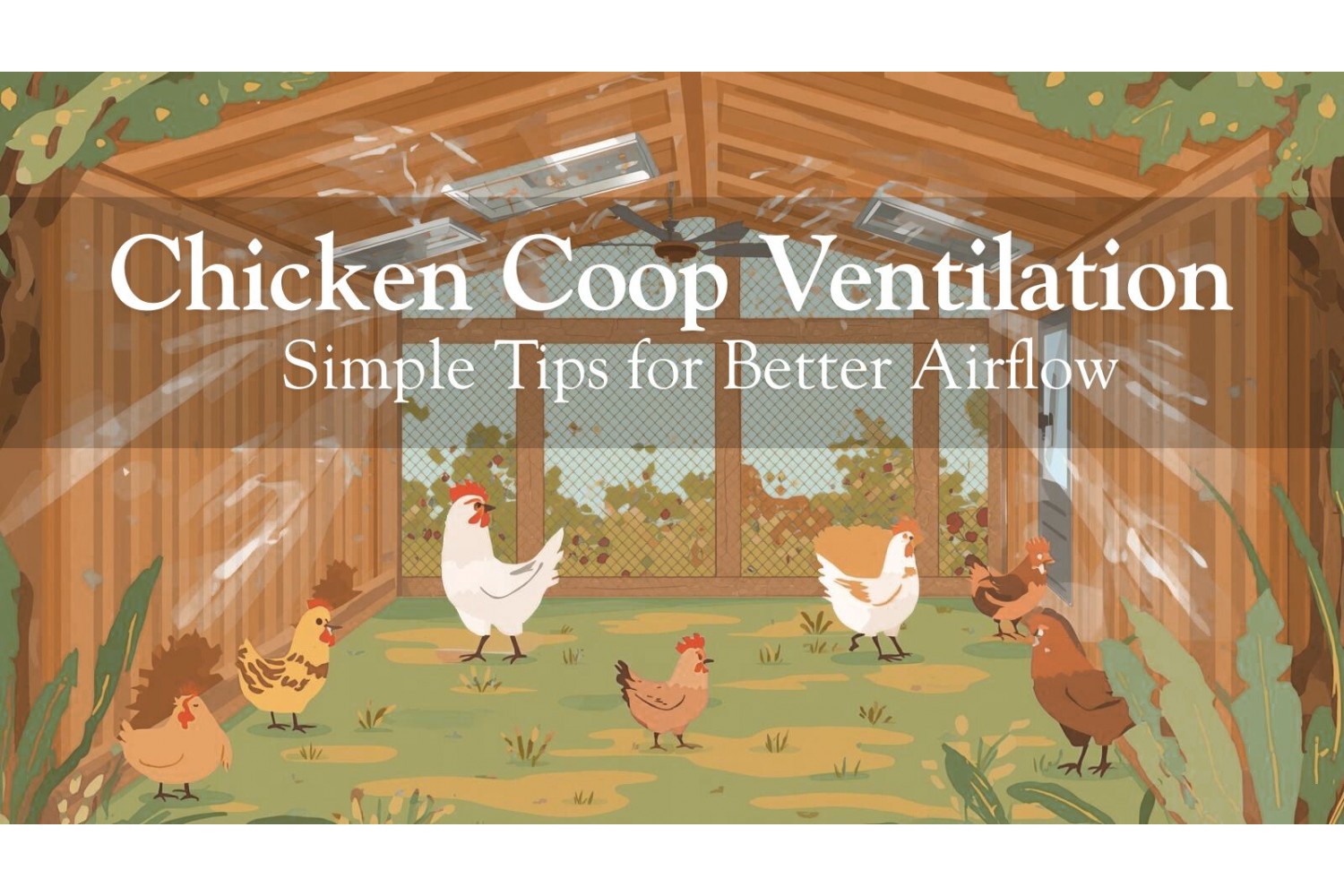
Have you ever walked into your chicken coop and been hit by a wall of stale, ammonia-laden air, wondering why your flock seems sluggish, sneezy, or just plain unhappy? If so, you are not alone. Poor airflow is one of the most overlooked problems in backyard poultry keeping, yet it is one of the easiest to fix when you know what to look for.
The good news is that improving chicken coop ventilation doesn't require a complete coop rebuild or an expensive upgrade. With a few smart adjustments and a better understanding of how air should move through your birds' living space, you can create a healthier, more comfortable environment for your flock, year-round.
Why Airflow Matters More Than You Think
Chickens produce a surprising amount of moisture, ammonia, and heat, especially in a closed or overcrowded coop. Without adequate airflow, these elements build up fast. Ammonia from droppings irritates the respiratory tract, damp air encourages mould and bacterial growth, and excess heat in summer can stress your birds dangerously.
Good chicken coop ventilation addresses all three of these problems at once. It dilutes harmful gases, removes excess moisture before it soaks into bedding and timber, and keeps temperatures within a comfortable range. In short, ventilation isn't just a "nice to have", it is foundational to your birds' long-term health.
Signs Your Coop Has a Ventilation Problem
- A strong ammonia smell when you open the coop door, this is the most obvious indicator.
- Condensation on walls or windows, even on mild days.
- Wet or compacted bedding that seems damp despite regular changes.
- Respiratory issues in your flock, such as coughing, wheezing, runny nostrils, or watery eyes.
- Mould or mildew forming on timber surfaces inside the coop.
- Chickens are reluctant to roost or crowd near openings and vents.
How to Improve Chicken Coop Ventilation: Practical Tips
1. Position Vents at the Highest Point
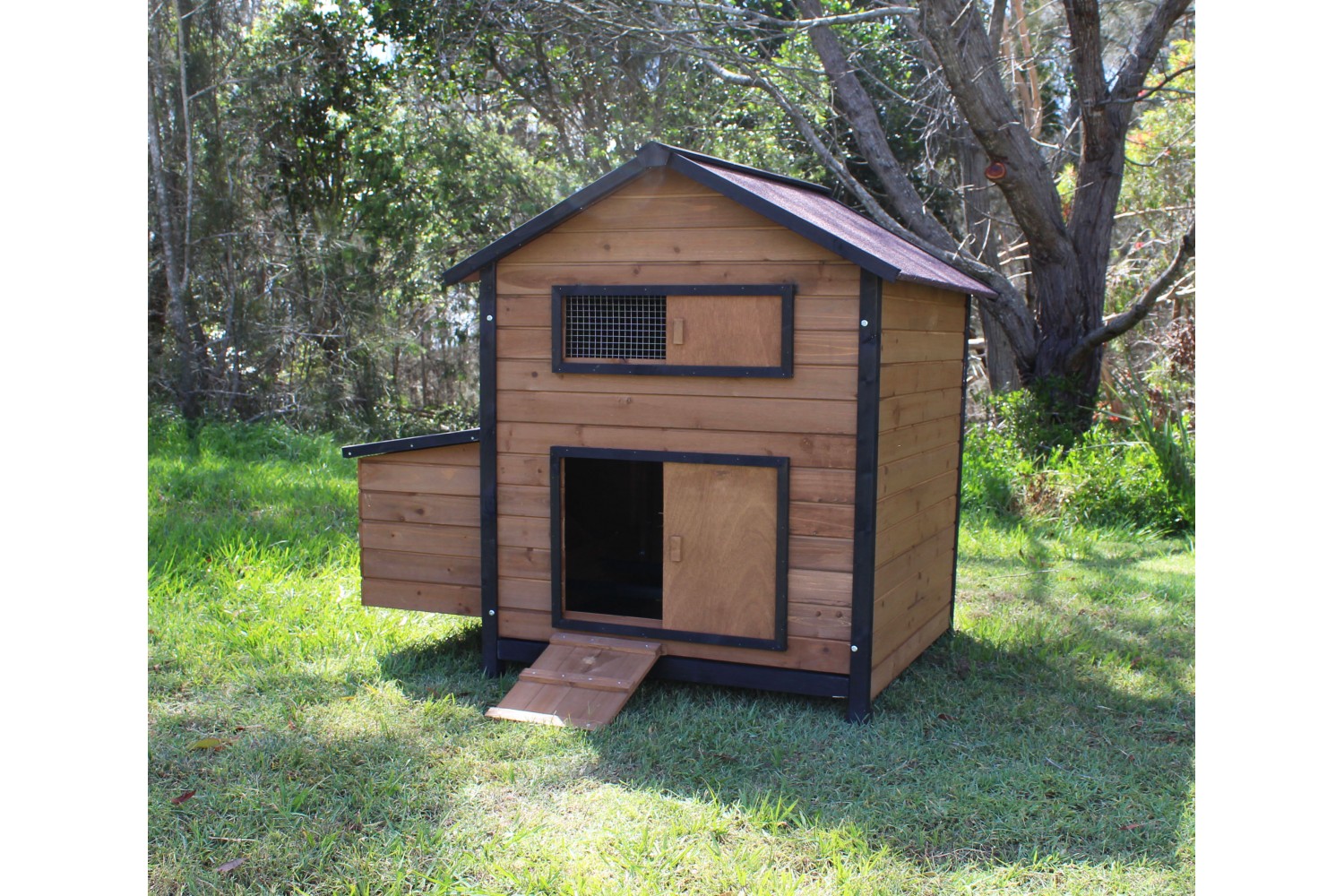
Hot, humid air rises. The most effective way to remove it is by placing vents or openings at the highest point of the coop, ideally along the roofline or just beneath the eaves. This allows warm, stale air to escape naturally without creating drafts at the roost level where your birds sleep.
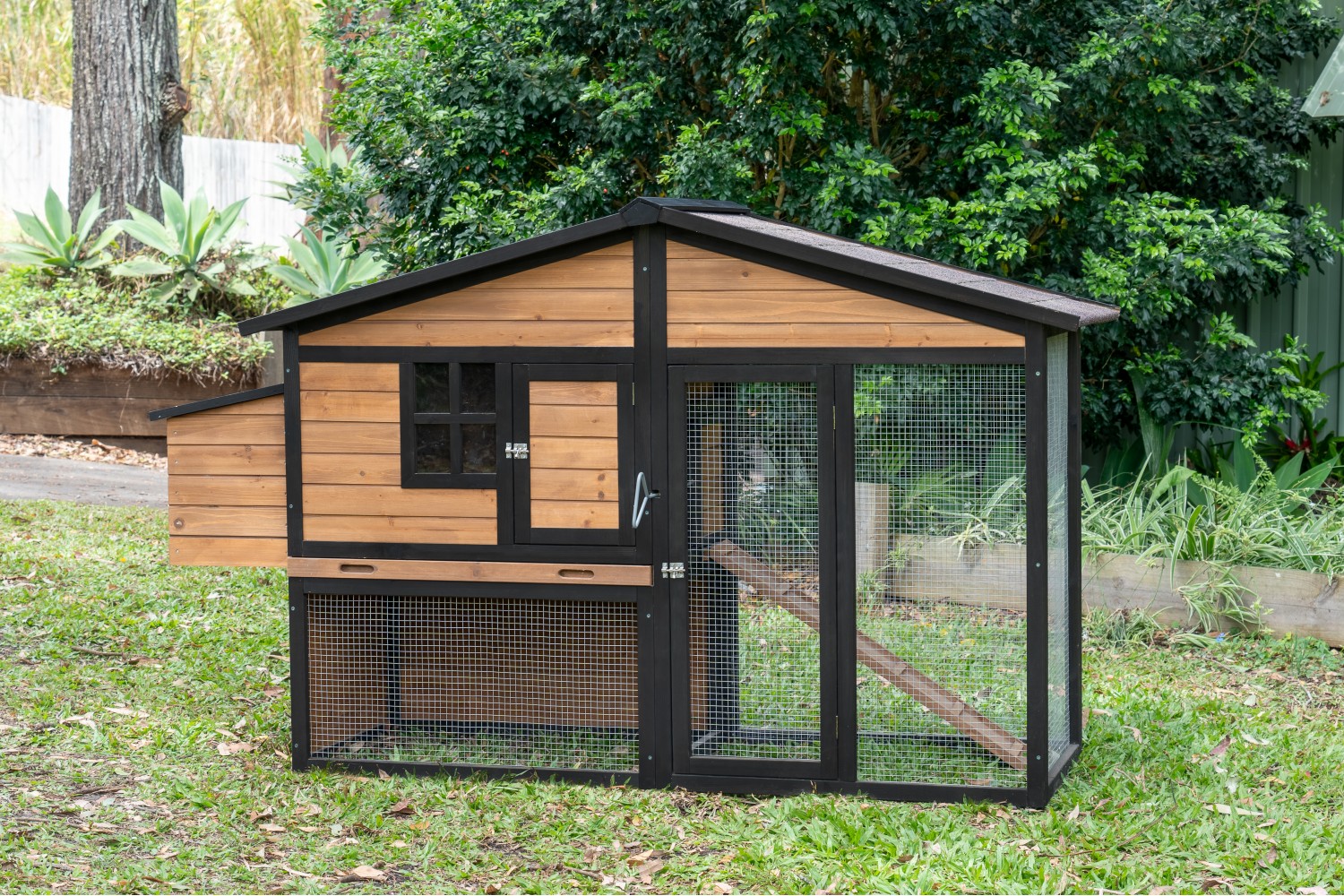
Pair high vents with lower intake openings (such as wire mesh panels near the floor on the opposite wall) to create a cross-flow effect. This natural stack ventilation keeps air circulating without the need for electric fans.
2. Use Hardware Cloth Instead of Solid Walls Where Possible
Solid timber walls look great but do little for airflow. For warmer Australian climates, consider replacing one or more wall panels with sturdy hardware cloth (wire mesh). This maximises airflow on warm days while still keeping predators out.
In cooler regions or during winter, you can cover mesh panels with a removable timber board or thick hessian to reduce cold draughts, giving you flexible ventilation that adjusts with the seasons.
3. Install Adjustable Ridge Vents or Louvres
Fixed vents are a good start, but adjustable vents give you real control. Louvred vents or ridge vents with sliding covers let you fine-tune airflow based on weather conditions. On a hot summer day, you will want maximum airflow. On a cold, wet winter night, you can partially close them to retain warmth without cutting off fresh air entirely.
The key is to never seal the coop completely. Even in the coldest months, some level of
chicken coop ventilation must remain open to prevent moisture and ammonia from building up overnight.
4. Keep the Coop from Being Overcrowded
No ventilation system, however well designed, can compensate for overcrowding. The more birds in a given space, the more heat, moisture, and waste they produce. As a general rule, allow a minimum of 0.37 square metres (4 square feet) of floor space per bird inside the coop, plus ample outdoor run space.
Reducing stocking density is often the single most impactful thing you can do to improve air quality, alongside better ventilation design.
5. Manage Bedding to Control Moisture
Wet bedding is both a symptom and a cause of poor airflow. It traps ammonia, encourages bacteria, and raises humidity levels inside the coop. Use deep litter methods with absorbent materials like pine shavings or straw, and top up or replace bedding regularly, especially around the waterer, where spills are common.
Dry, well-managed bedding works with your ventilation system to keep moisture levels low and ammonia concentrations well within safe limits.
6. Consider the Coop's Orientation
When building or positioning a new coop, think about prevailing winds and sun exposure. Placing vents and openings on the leeward side (sheltered from the main wind direction) helps control natural airflow without creating harsh drafts. In Australia, a north-facing coop typically receives better winter sun, which helps keep the interior dry and warm during cooler months.
Final Words
When caring for backyard chickens, small improvements often have the greatest impact. Ensuring your coop has proper airflow can dramatically improve the comfort, cleanliness, and overall wellbeing of your flock.
If you are planning to upgrade or improve your poultry setup, the team at Chicken Coops and Hutches offers thoughtfully
designed coops that prioritise comfort, durability, and practical airflow for Australian conditions. Choosing the right coop design can make maintaining proper ventilation far easier while giving your flock a safe and comfortable home.
FAQs
How much ventilation should a chicken coop have?
A coop should have enough airflow to remove moisture and ammonia without creating strong drafts. Ideally, vents should be placed high in the coop so warm air can escape naturally.
Can too much ventilation harm chickens?
Excessive airflow can become a problem if it creates direct drafts on roosting birds. Properly positioned vents allow air to circulate above the chickens rather than directly through their sleeping area.
Do chicken coops need ventilation in winter?
Yes, airflow is still necessary during winter. Chickens produce moisture overnight through breathing and droppings, and without ventilation this moisture can build up and cause damp, unhealthy conditions inside the coop.