
%20(1)-1500x1000.jpg "https://www.chickencoopsandhutches.com.au/image/cache/catalog/How%20Automatic%20Coop%20Doors%20Keep%20Predators%20Out%20in%202026%20(1600%20x%20896%20px)%20(1)-1500x1000.jpg")

Raising backyard chickens comes with one consistent challenge: keeping them safe after dark. No matter how well-built your setup is, leaving a coop door open overnight is an open invitation for trouble. In 2026, automatic coop door protection has become essentially important, and door protectors are now one of the most reliable tools for protecting your flock without requiring you to be outside at dawn and dusk every single day.
This guide breaks down how these systems work, what makes them effective against common threats, and what to look for when evaluating your options.
Why Predator-Proofing Matters So Much
Chicken losses to predators are more common than most new keepers expect. Raccoons, foxes, opossums, weasels, and even neighborhood dogs are active hunters, and most of them do their work at night or in the early morning hours.
A coop that is open for even 30 extra minutes past sunset or before sunrise can be enough time for a predator to cause serious harm. Human error, such as forgetting to close up, coming home late, or simply sleeping through an alarm, is one of the top reasons flocks get hit.
This is precisely where automatic chicken coop door systems solve a very real problem.
How Automatic Coop Doors Work
Automatic coop doors use one of two main triggering methods:
Light sensors (photocells): These detect ambient light levels and open or close the door accordingly. As the sun sets and light drops below a set threshold, the door closes. At sunrise, it opens again. This method naturally adjusts to seasonal changes in daylight hours.
Timers: The door opens and closes based on pre-set times. This method gives you more control, but you will need to update the schedule as the seasons change.
Many modern units combine both, using a light sensor as the primary trigger with a timer as a backup. The door itself is typically made from aluminum or heavy-duty plastic and runs on a small motor powered by AA batteries or a rechargeable unit, sometimes with a solar panel option.
How They Protect Against Chicken Coop Predators
Nocturnal Predators
Early Morning Threats
Weasels and Small Predators
Opportunistic Entry
Key Features That Improve Security
Common Mistakes That Reduce Effectiveness
Even with an automatic door, there are gaps in your setup that chicken coop predators can exploit:
Gaps around the door frame: If the door fits loosely, a determined predator can pull or pry. Make sure the frame is flush and well-mounted.
Incorrect timing settings: Setting the door to close too late or open too early undermines the whole point. Adjust your timer seasonally if you are not using a light sensor.
Neglecting the rest of the coop: An automatic door only protects one entry point. Ventilation openings, gaps in flooring, and weak latches elsewhere still need attention. Hardware cloth (not standard chicken wire) with a small mesh is the recommended material for covering openings.
No predator skirt: Burrowing animals like rats, skunks, and even foxes can dig under a coop. A buried hardware cloth apron around the perimeter adds underground protection that a door alone can't provide.
Practical Tips For Setting Up Your Automatic Door
Getting the most from your system starts with proper installation and calibration:
Mount the door on a flat, level surface so it slides or swings without friction.
Test the light sensor by shading it manually to confirm the trigger works before relying on it nightly.
Run a few observation nights after setup to confirm chickens are inside before the door closes.
Check the battery level monthly, as a dead battery means no protection.
Inspect the door frame quarterly for warping, wear, or gaps that may have developed over time.
Quick Summary
| Feature | Why It Matters |
| Light sensor trigger | Adjusts automatically to seasonal daylight changes |
| Timer backup | Adds control and redundancy |
| Locking closure | Prevents strong predators from forcing the door |
| Safety sensor | Protects chickens from being closed out or injured |
| Battery backup | Keeps the system running during power interruptions |
Final Thoughts
Automatic coop doors take one of the most critical tasks in chicken keeping, which means closing up the flock at night, completely off your plate. They are consistent, reliable, and when chosen carefully, they provide meaningful protection against the wide range of chicken coop predators that target backyard flocks.
For anyone serious about keeping their birds safe in 2026, an automatic door is one of the most practical upgrades you can make.
Looking to find the right coop setup for your flock? Explore a wide range of quality chicken coops and accessories at Chicken Coops and Hutches.
FAQs
Do automatic doors work in cold climates?
How long do the batteries last for automatic coop door protectors?
Battery life varies by model and usage, but most run for several months on a single charge. Solar-powered options can extend this significantly.
Is a light sensor or a timer better?
Light sensors are generally more practical since they adjust naturally to the time of year. Timers require manual updates as daylight hours change. A combined system gives you the best of both.
Related Product
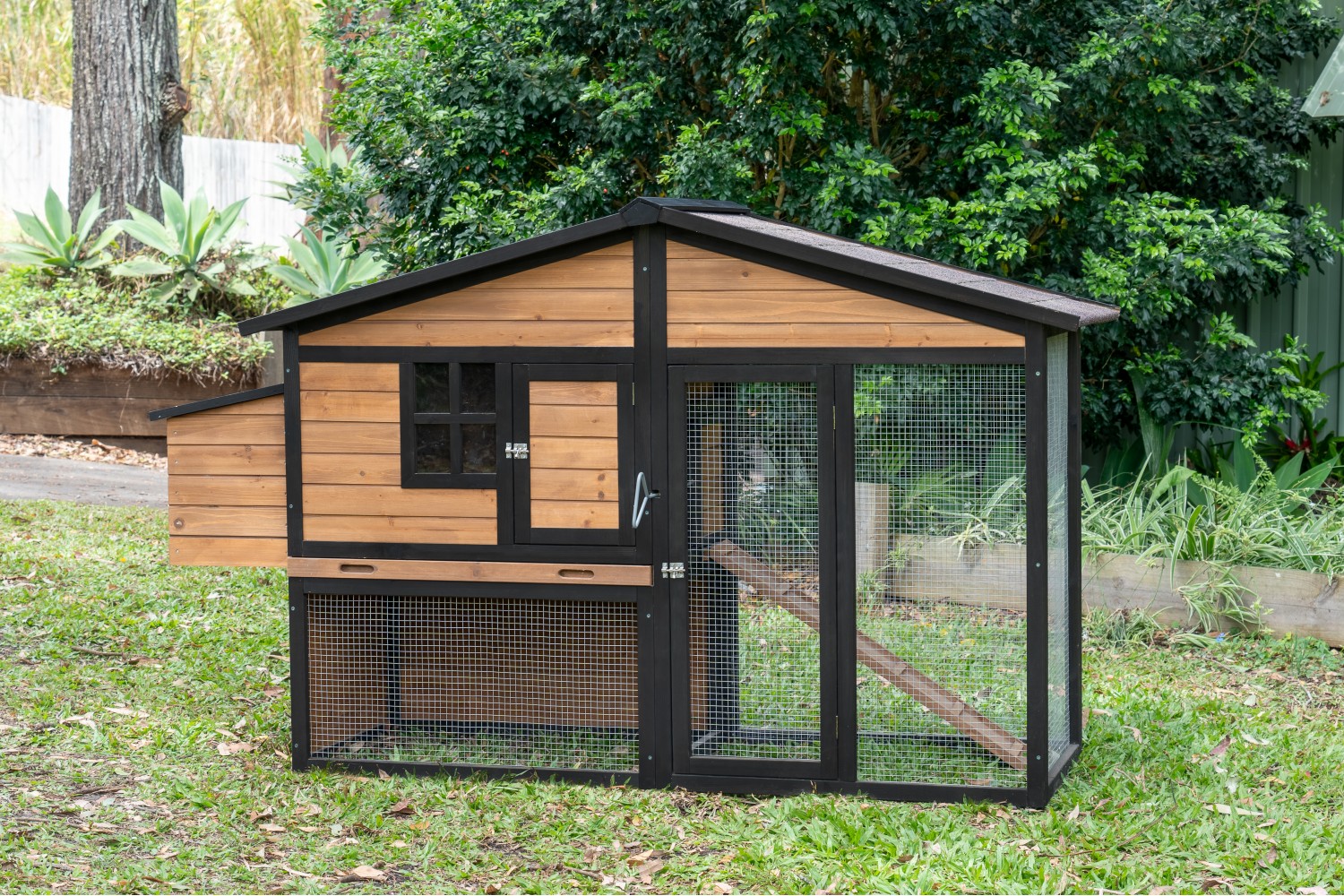
Brunswick A Frame Chicken Coop
Brunswick A Frame Chicken Coop The Brunswick chicken coop is made from 100% cedar wood which ..
$390.00

Automatic Chicken Door
Automatic Chicken Door:Please note single orders we send via australia post satchels costing $18&nbs..
$60.00
Brunswick A Frame Guinea Pig Palace
Brunswick A Frame Guineapig Palace The Brunswick chicken coop is made from 100% cedar wood wh..
$390.00
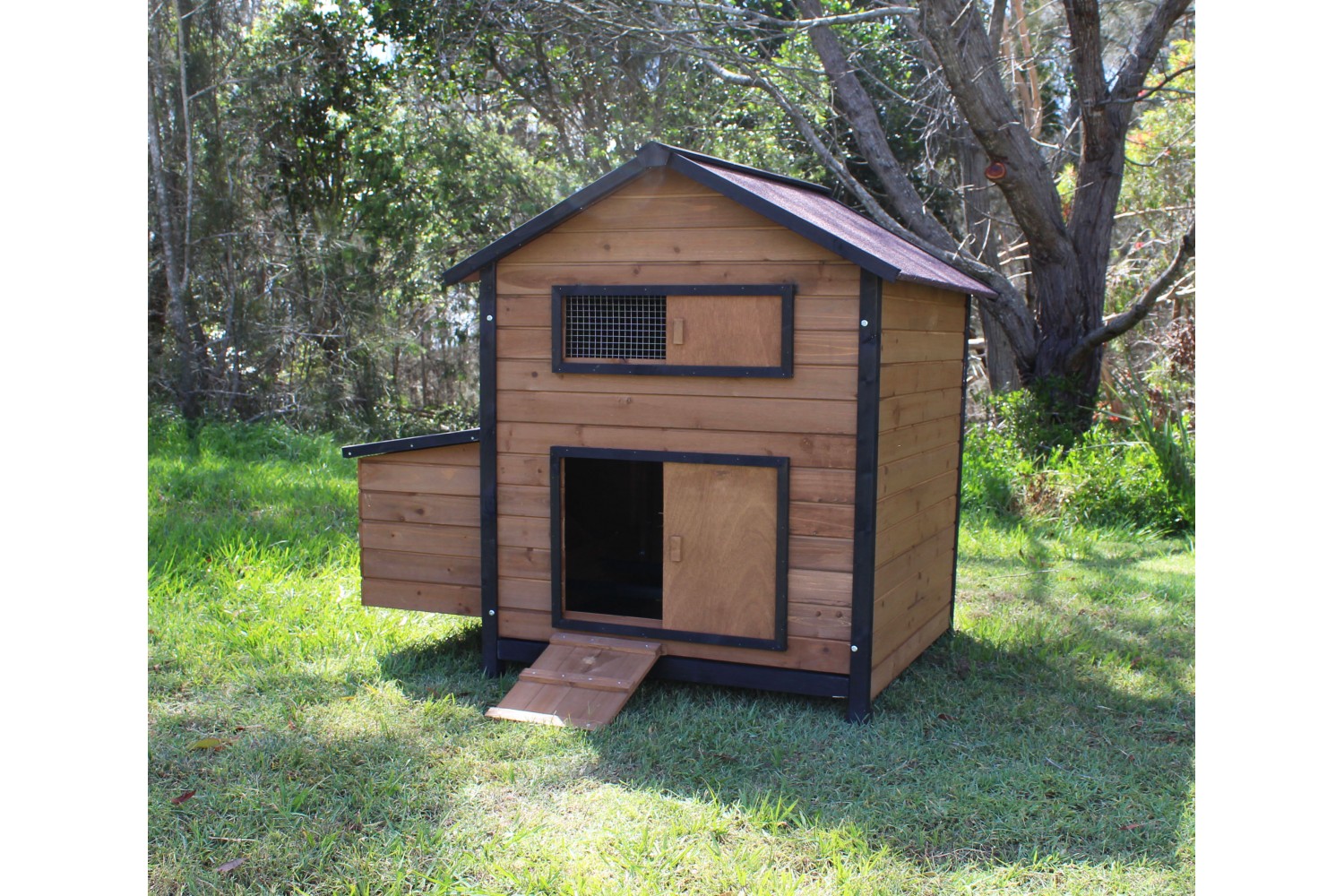
Brunswick Large Chicken Coop
Brunswick Large Chicken Coop The Brunswick Large chicken coop is made from 100% cedar w..
$390.00