
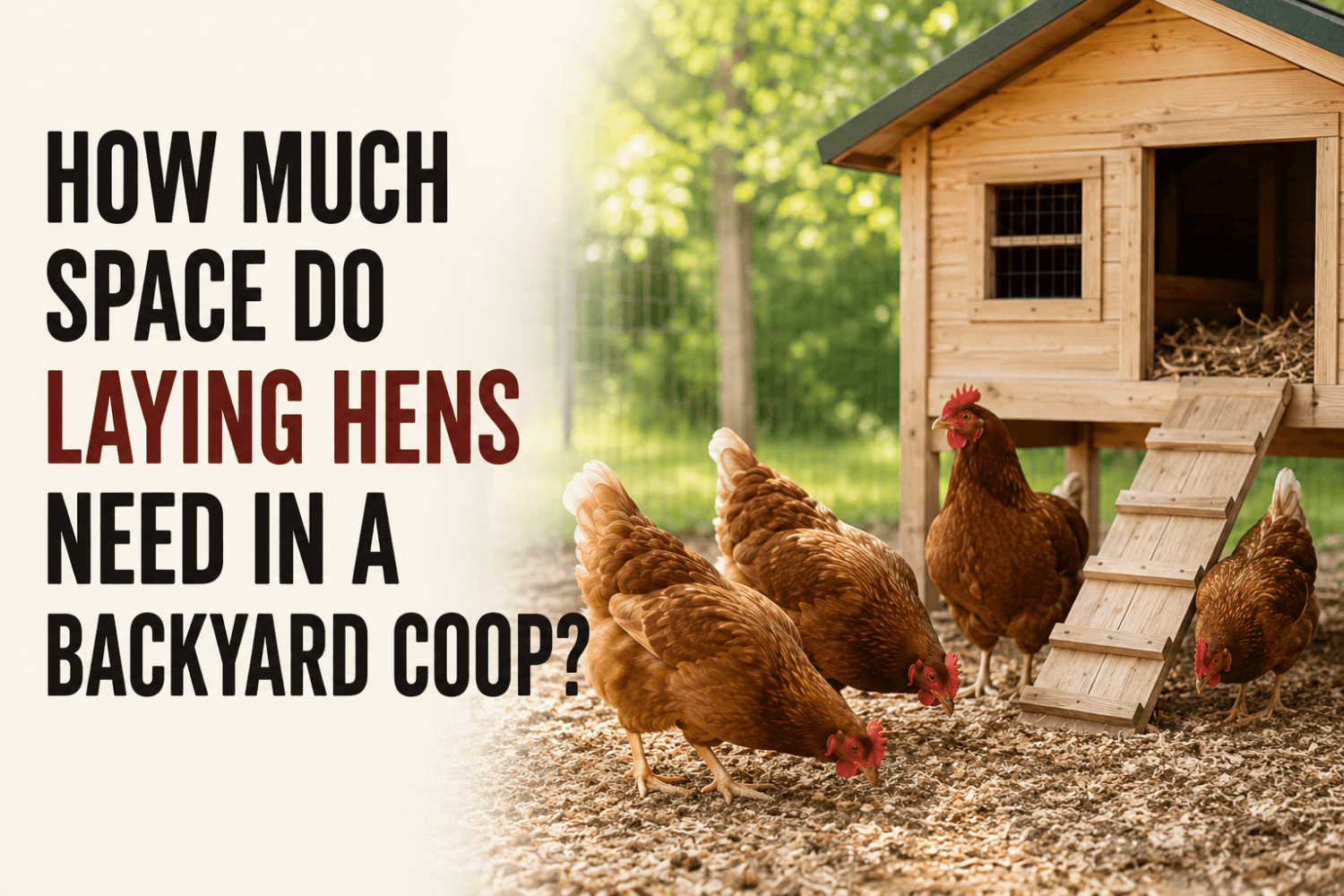

One of the first questions anyone asks before setting up backyard chicken housing is how much room their hens actually need. The honest answer involves more than just floor space. Coop size, outdoor run area, roosting bars, nesting boxes, and ventilation all work together to determine whether your hens are comfortable, healthy, and productive. Get it right, and your flock will thrive. Get it wrong, and you will deal with stress, aggression, illness, and fewer eggs.
Indoor Floor Space
For standard laying breeds like Rhode Island Reds, Plymouth Rocks, or Australorps, the widely accepted guideline is 3 to 4 square feet of indoor floor space per bird. For large breeds such as Brahmas or Jersey Giants, aim for at least 4 to 6 square feet per hen. Bantam breeds can manage with 2 square feet per bird inside the coop.
If your hens spend extended time inside due to bad weather or winter conditions, increase that indoor space by around 50%. Birds confined for longer periods need more room to move without constant conflict. Building slightly larger than you need today leaves room for flock growth later.
Outdoor Run Space Matters Just as Much
Why Overcrowding Creates Real Problems
Nesting Boxes: How Many and What Size
Laying hens need a private, quiet place to lay their eggs. The standard ratio is one nesting box for every 3 to 4 hens. You don't need one per bird, hens naturally share and will often queue for a favorite spot.
Each box should measure approximately 12 x 12 x 12 inches for standard breeds. Place nesting boxes in a low, dim corner of the coop, always below the roosting bars. If the boxes are higher, hens will sleep in them overnight, leading to soiled bedding and dirty eggs.
Line each box with clean straw, pine shavings, or a nesting pad to keep eggs cushioned and sanitary.
Roosting Bars: Space to Rest at Night
Ventilation: Essential for a Healthy Coop Environment
Even with the right floor space, a poorly ventilated coop creates health problems. Chicken droppings release ammonia and moisture, and without adequate airflow, these build up quickly and damage the birds' respiratory systems.
A reliable rule of thumb is 1 square foot of ventilation for every 10 square feet of coop floor space. Position vents high on the walls, near the roofline, so stale air and moisture escape without creating drafts at the level where hens roost and nest. Good ventilation is one of the most effective ways to prevent respiratory illness in a backyard flock and is a cornerstone of any healthy coop environment.
Wrapping Up
Getting space right is the most important decision you make when setting up a backyard flock. The right indoor floor area, a well-sized run, properly placed nesting boxes, adequate roosting bars, and good ventilation all combine to create conditions where hens can behave naturally, stay calm, and lay consistently. Space isn't just a number to hit, it's the foundation of your flock's well-being.
Thinking about a new coop or upgrading your current setup? Chicken Coops and Hutches offers a wide selection of coops built with laying hens in mind, designed to the dimensions that actually matter for happy, healthy birds.
Frequently Asked Questions
Related Product

Automatic Chicken Door
Automatic Chicken Door:Please note single orders we send via australia post satchels costing $18.Thi..
$60.00
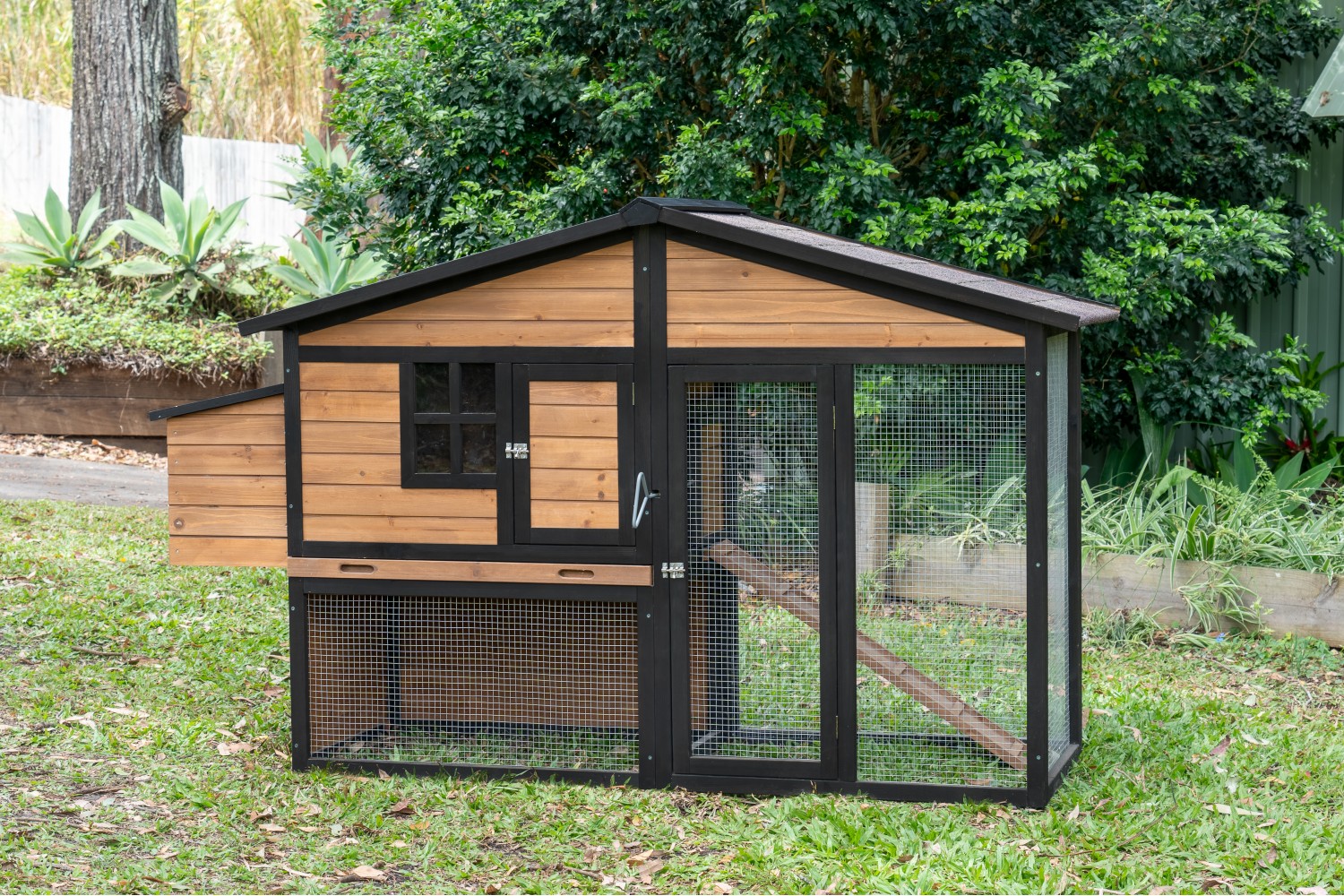
Brunswick A Frame Chicken Coop
Brunswick A Frame Chicken Coop The Brunswick chicken coop is made from 100% cedar wood which ..
$390.00
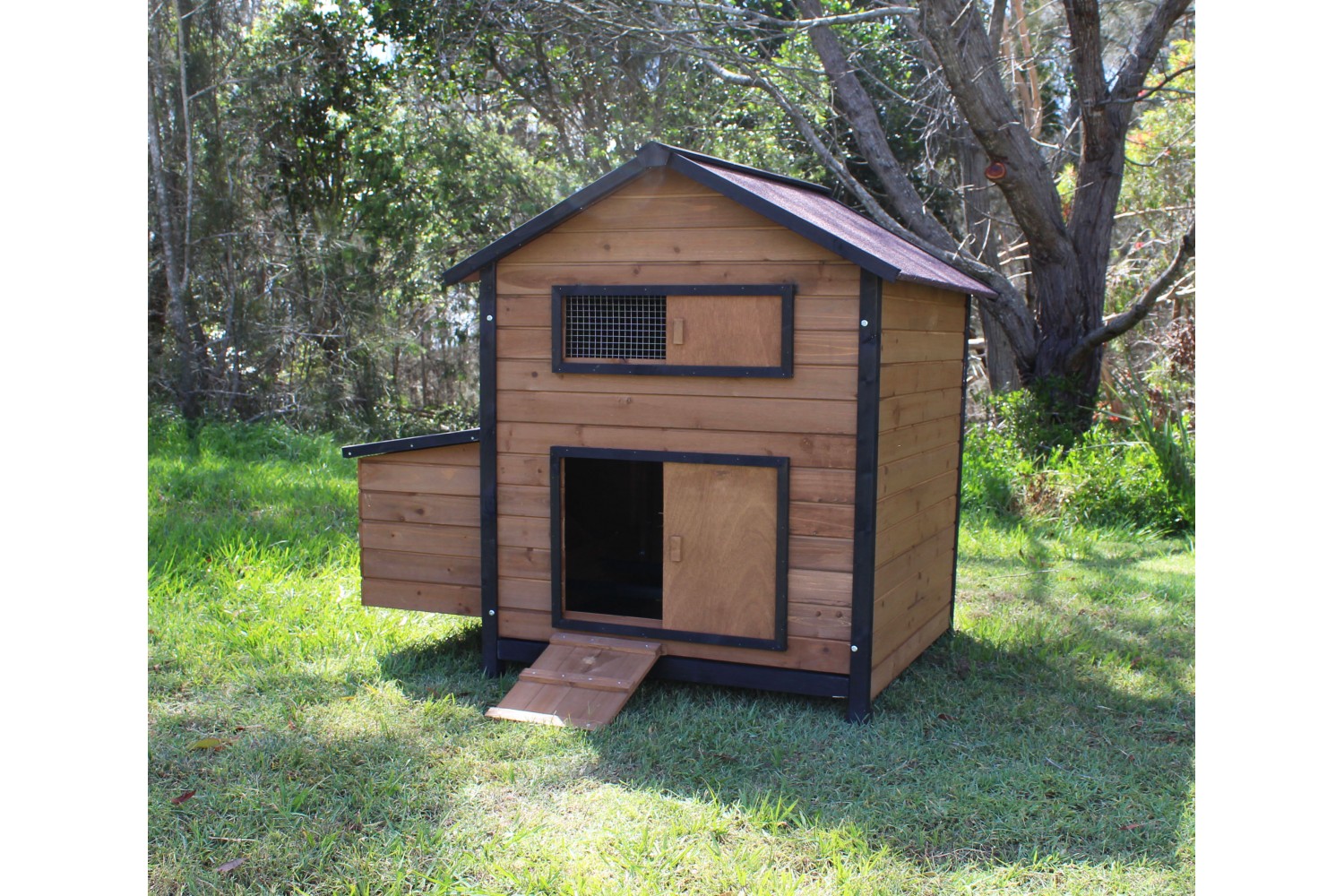
Brunswick Large Chicken Coop
Brunswick Large Chicken Coop The Brunswick Large chicken coop is made from 100% cedar w..
$390.00