
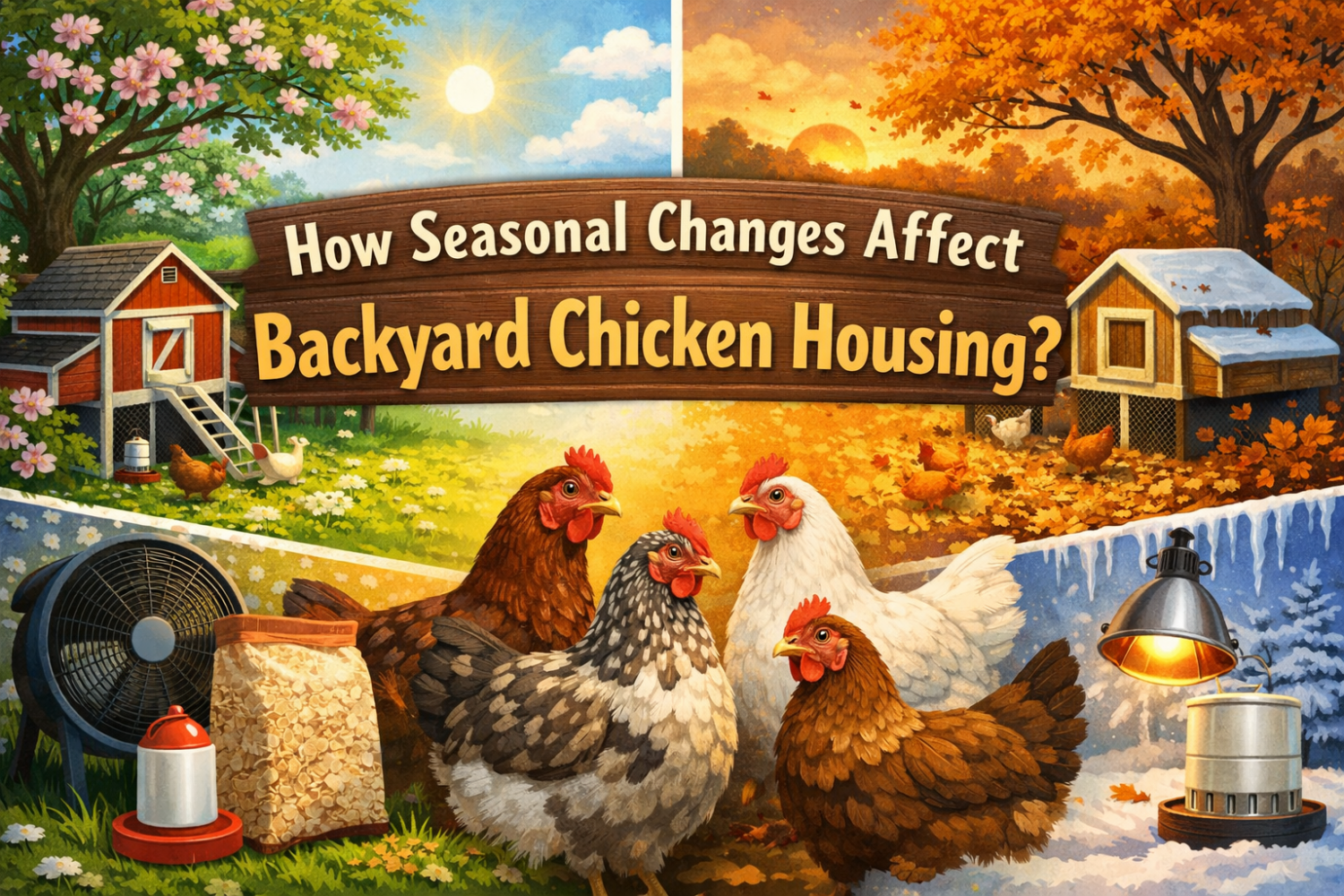

Raising chickens in your backyard is one of the most rewarding experiences a homeowner can enjoy. Whether you keep hens for fresh eggs, sustainable food practices, pest control, or simply the delight of seeing them scratch and serenade your morning. But with our ever-changing climate and shifting seasons come clear challenges and responsibilities, especially when it comes to chicken houses and chook houses.
Every season brings its own set of conditions that can influence your flock’s comfort, health, and productivity. From freezing winter winds to blistering summer sun, understanding these seasonal effects is not just helpful, it’s essential.
In this guide, we will walk through how seasonal changes impact your backyard chicken housing and what practical steps you can take to ensure your hens stay safe and healthy all year round.
The Role of Seasonal Changes in Chicken Comfort and Behavior
Many backyard chicken keepers don’t realize just how deeply the seasons influence their flock. Chickens are incredibly adaptable, but they also respond quite sensitively to changes in temperature, daylight hours, humidity, and environmental stressors.
Seasonal Behavior Responses
As daylight increases in the spring, a hen’s pituitary gland triggers reproductive hormones, typically leading to an uptick in egg production. During summer heat, chickens naturally reduce their feed intake and increase water consumption, relying on shade and ventilation to stay cool. In the fall, molting often begins, which shifts metabolic needs, and winter brings challenges in staying dry and regulating warmth.
These seasonal patterns highlight why your chicken houses must do more than simply contain your flock, your coop needs to adapt to the weather, just as your birds do.
1. Spring - Awakening and Transition
Spring marks the start of growth. As temperatures rise and winter recedes, eggs begin flowing more regularly, behaviors become more active, and your birds are itching to scratch and forage. But spring comes with challenges too.
Spring Challenges for Chicken Housing
Moisture and Bugs – Melting snow or spring rains increase humidity and encourage parasites like mites and lice to become more active inside coops.
Temperature Fluctuations – The shift between warm afternoons and cool nights can encourage condensation inside coops, which can lead to damp bedding and respiratory issues if not addressed.
How to Support Your Coops in Spring
Deep Clean After Winter: Spring is an ideal time for a thorough cleaning of chook houses. Remove old bedding, scrub roosts and nesting boxes, and check for signs of pests.
Check Ventilation: Ensure vents and windows are clear so moist air can escape. With fluctuating temperatures, proper airflow prevents mold and ammonia buildup.
Inspect for Damage: Winter wear can leave cracks or gaps in the chicken house structure, sealing these helps keep spring rain and drafts at bay.
Spring is also when many keepers expand their flocks, so ensure your housing has enough space per bird. Overcrowding during this period can lead to stress, which negatively affects laying and social dynamics.
2. Summer - Heat, Hydration, and Ventilation
Summer introduces a completely different type of challenge. As temperatures climb, chicken comfort becomes a balancing act between keeping them cool, hydrated, and shaded.
Summer Stressors
Chickens experience heat stress when temperatures climb excessively. They drink significantly more water and often eat less during the hottest parts of the day, instinctively keeping their energy expenditure lower.
Optimizing Chicken Housing for Summer
Shade and Shading Devices: Ensure your coop and runs have ample shade. A simple shade cloth stretched over the run or taller shrubs planted strategically can reduce heat buildup significantly.
Ventilation Is Key: Summer ventilation is all about moving air through the coop. Install mesh windows or vents high on the walls to let hot air escape and create a cross-breeze that cools interior spaces.
Water Strategy: Provide clean, cool water in multiple shaded spots. Waterers inside the housing should be shaded and checked frequently to prevent bacterial growth.
Too often, keepers concentrate all attention on winter preparation and overlook how critical summer design is. Adequate summer planning fosters comfort, reduces stress-induced behaviors, and keeps egg production more consistent.
3. Fall - Transitioning and Strengthening the Coop
Fall may look mild in comparison, but it is a crucial transitional period where your attention to housing can dramatically affect how prepared your flock will be for winter.
Fall Considerations for Chicken Care
Molting Season: Many flocks molt in fall, requiring extra protein and space. Ensure your chook houses allow comfortable nesting box access and are not overcrowded during this demanding period.
Moisture and Cooling Nights: As airflow cools at night, the risk of condensation forming on coop walls grows. This moisture can soak bedding and invite mould.
Predator Activity Rises: As daylight shrinks, predators become more active during early evening hours.
Preparing Housing for Fall
Inspect and Patch Drafts: Patch holes and reinforce any structural weaknesses in your coop. Keep outside air from blowing directly into roosts, but maintain adequate ventilation above head height.
Deep Clean Before Winter: Make fall your major coop cleaning session before the cold months settle in. New bedding helps insulate and keeps the air quality good.
Fall is your chance to make structural tweaks that save time, energy, and discomfort later in winter.
4. Winter - Keeping Them Warm, Dry & Healthy
No season puts more demand on chicken housing than winter. Lower temperatures, shorter days, and higher moisture levels combine to challenge both birds and their keepers.
Winter Stress Factors
While chickens are hardy animals, winter conditions require careful attention to moisture, drafts, and water access. Wet bedding, poor ventilation, and cold gusts can lead to frostbite, respiratory issues, and discouraged laying.
Winter Housing Strategies
Draft Control (Not Air Sealing): Winter is not about shutting air out completely. Too often, chicken owners think sealing up a coop will keep it warm, but proper ventilation is just as important to reduce moisture buildup.
Deep, Dry Bedding: A thick layer of dry straw or wood shavings retains heat and reduces the chance of moisture buildup. This layer acts like insulation and creates a warmer microenvironment for your flock.
Wrapping Up!
Seasonal changes affect your backyard chicken housing in profound and predictable ways. Understanding how each season influences temperature, moisture, airflow, predator activity, and your flock’s behavior allows you to respond proactively, not reactively.
If you are ready to upgrade your backyard housing or want tips on selecting the right coop or hutch for every season, explore the range of quality options at Coops and Hutches Direct Australia that balance comfort, durability, and year-round adaptability.
FAQs
Do chickens need heat in winter?
In most climates, chickens do not need supplemental heat as long as their housing is dry, draft-controlled, and properly ventilated.
How often should I clean my chicken coop?
While daily checks are essential, full bedding changes typically depend on the season, more frequent in humid summer months and moderately in winter when moisture is a concern.
Can seasonal changes affect egg production?
Yes. Shorter days in winter often decrease production, but proper lighting, nutrition, and comfort can help smooth this transition.
Tags:
Related Product
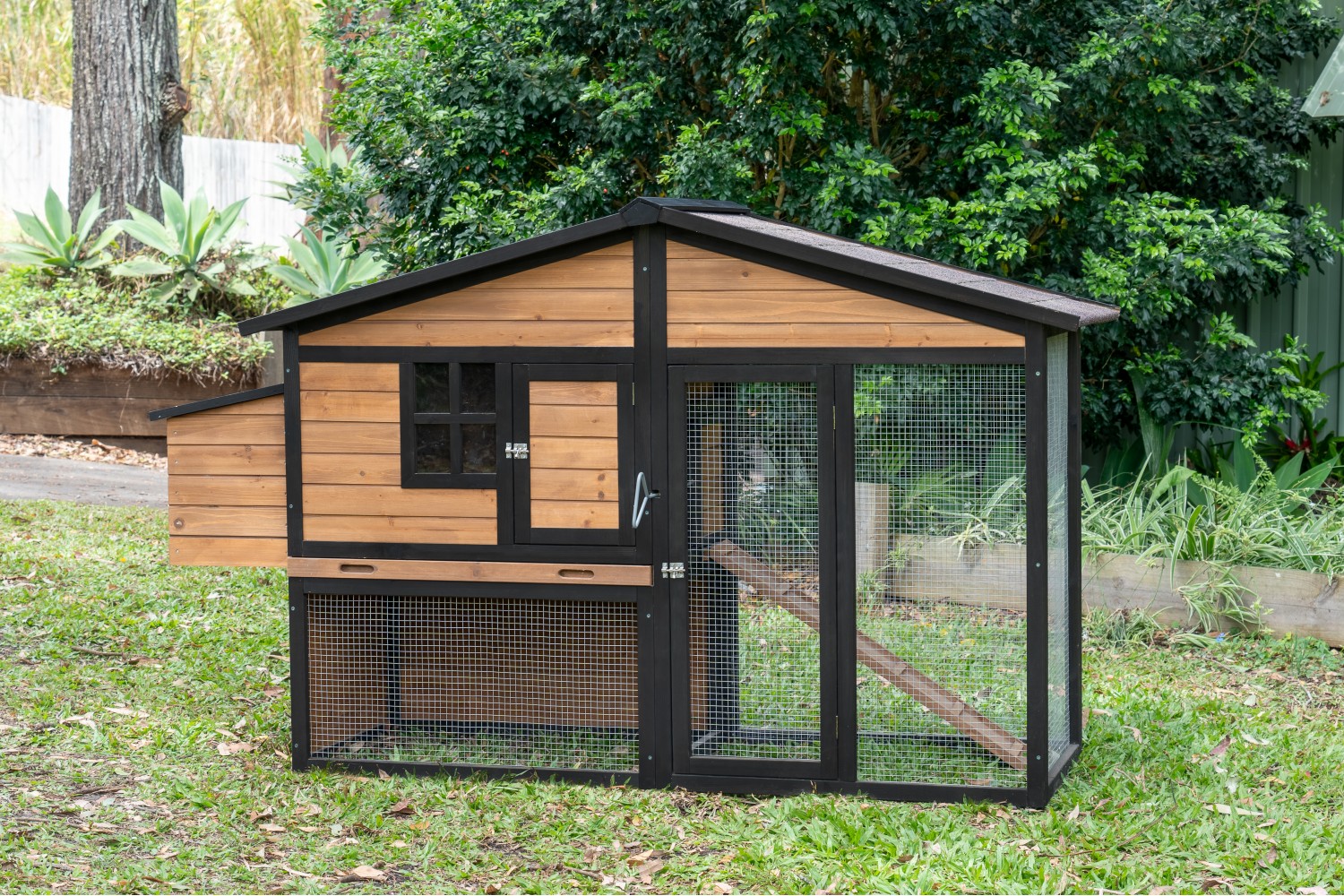
Brunswick A Frame Chicken Coop
Brunswick A Frame Chicken Coop The Brunswick chicken coop is made from 100% cedar wood which ..
$390.00
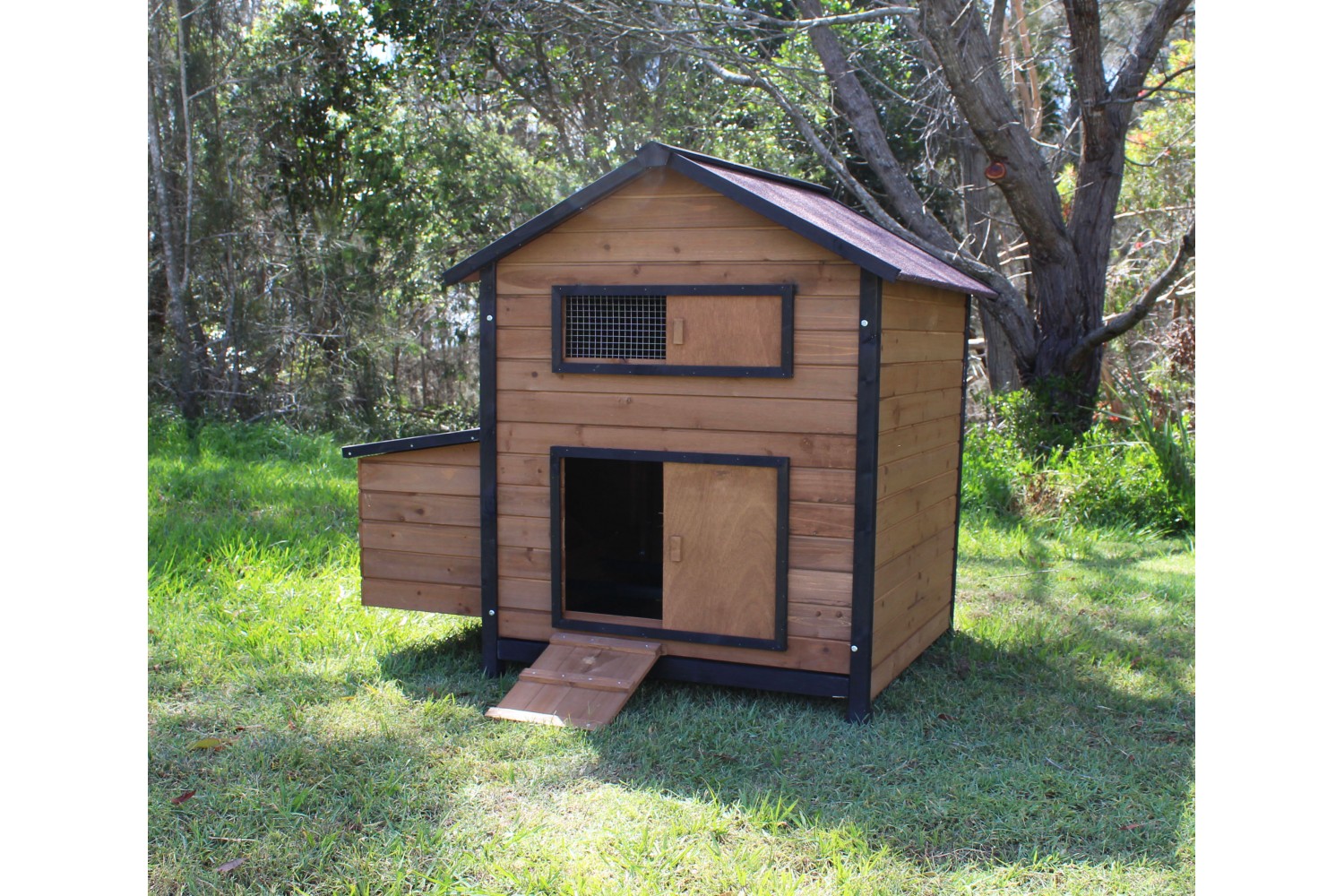
Brunswick Large Chicken Coop
Brunswick Large Chicken Coop The Brunswick Large chicken coop is made from 100% cedar w..
$390.00
Brunswick A Frame Guinea Pig Palace
Brunswick A Frame Guineapig Palace The Brunswick chicken coop is made from 100% cedar wood wh..
$390.00