


Are you a chicken owner or planning to
start your own backyard flock? If so, one of the most important steps is
ensuring that your chickens have a safe and comfortable home. Building a proper
chicken coop and run is not just about giving your birds shelter; it's also
about providing them with the best environment to stay healthy and happy. In
this guide, we'll cover everything you need to know about how to build a home
for chickens, from choosing the right materials to understanding the key
factors that make a chicken house perfect for your feathered friends.
Why
You Should Build a Home for Chickens
Building a custom home for your
chickens has numerous benefits. A well-built coop ensures that your chickens
stay protected from predators, have enough space to roam, and can lay eggs in a
clean, dry, and secure environment. Not only will it improve the health of your
flock, but it will also keep them happier and more productive.
When you're building a home for
chickens, it's crucial to prioritize the following factors:
1. Protection from the elements
2. Proper ventilation
3. Sufficient space for the flock
4.
Easy access for cleaning and
maintenance
These are just a few of the basics,
and we'll explore them in more detail as you continue reading.
Step-by-Step
Guide to Build a Home for Chickens
Planning the Space
Before you begin building, it's essential to plan your chicken coop's design. The size of your coop will depend on the number of chickens you have or plan to have. A general rule of thumb is to provide at least 2-3 square feet per chicken inside the coop and at least 8-10 square feet per chicken in the run.If you're
building your home for chickens in Australia, make sure you take into account
the weather conditions. In warmer climates, you might need additional
ventilation or shade to protect your chickens from excessive heat, while in
cooler areas, insulation might be necessary.
Choosing the Right Materials
The materials you use will play a huge role in the durability and comfort of your chicken coop. Common materials include timber, galvanized steel, and wire mesh. Timber is a popular choice due to its natural insulation properties, while galvanized steel provides long-term durability. The wire mesh should be strong enough to prevent predators from getting through.
Building the Coop Structure
Once you've selected your materials, it's time to start building the main structure. Make sure to build your coop off the ground to prevent moisture buildup and protect your chickens from ground-dwelling predators. Ensure that the roof is slanted so that rainwater can run off easily. A solid foundation is key to ensuring your chicken home lasts for years.
Creating a Safe Chicken Run
The chicken run is just as important as the coop itself. It's essential that your chickens have plenty of space to roam and peck throughout the day. Make sure the run is securely fenced with strong wire to keep out predators like foxes or raccoons. You can also add a roof to the chicken run for extra protection, especially in areas prone to aerial predators.
To keep your chickens entertained and healthy, you can add various features to the run, such as dust bathing areas, perches, and chicken-friendly plants.
Ventilation and Lighting
Proper ventilation is essential for a healthy chicken environment. A well-ventilated chicken house will reduce the buildup of harmful gases such as ammonia. Ensure that there are vents or windows to allow fresh air to circulate, but also make sure they're secure enough to keep out cold drafts and predators.
As chickens
need natural light to lay eggs, it's important to consider how much daylight
your coop will get. You might also want to add some artificial lighting during
the shorter winter days to encourage egg production.
Additional
Tips for Building a Home for Chickens
1. Easy Maintenance: Build your chicken
coop in a way that makes cleaning easy. A sliding tray for collecting droppings
or removable nesting boxes will make the task much simpler.
2. Security: Don't forget about the
predators in your area. Ensure that the walls of your chicken coop are sturdy
and that there are no gaps where animals could sneak in. Also, bury the bottom
of the fence a few inches into the ground to prevent digging predators.
3.
Egg Laying Areas: Provide clean, dry, and quiet spaces for your chickens to lay
eggs. Nesting boxes should be placed in dark, quiet corners to give your
chickens a peaceful environment for laying.
Conclusion:
Build the Best Home for Your Chickens
Building a home for chickens doesn't have to be complicated, but it's important to take the time to design and build a structure that meets all the needs of your flock. Whether you're a first-time chicken keeper or a seasoned farmer, having a safe and comfortable chicken coop and run will improve the health, happiness, and productivity of your chickens.
For more tips and advice on building
the perfect home for your chickens, and to explore a range of coops, runs, and
other essential chicken supplies, visit Coops
and Hutches Direct. Our experts can help guide you in building the
perfect chicken house tailored to your specific needs.
Tags:
Related Product

Automatic Chicken Door
Automatic Chicken Door:Please note single orders we send via australia post satchels costing $18&nbs..
$60.00
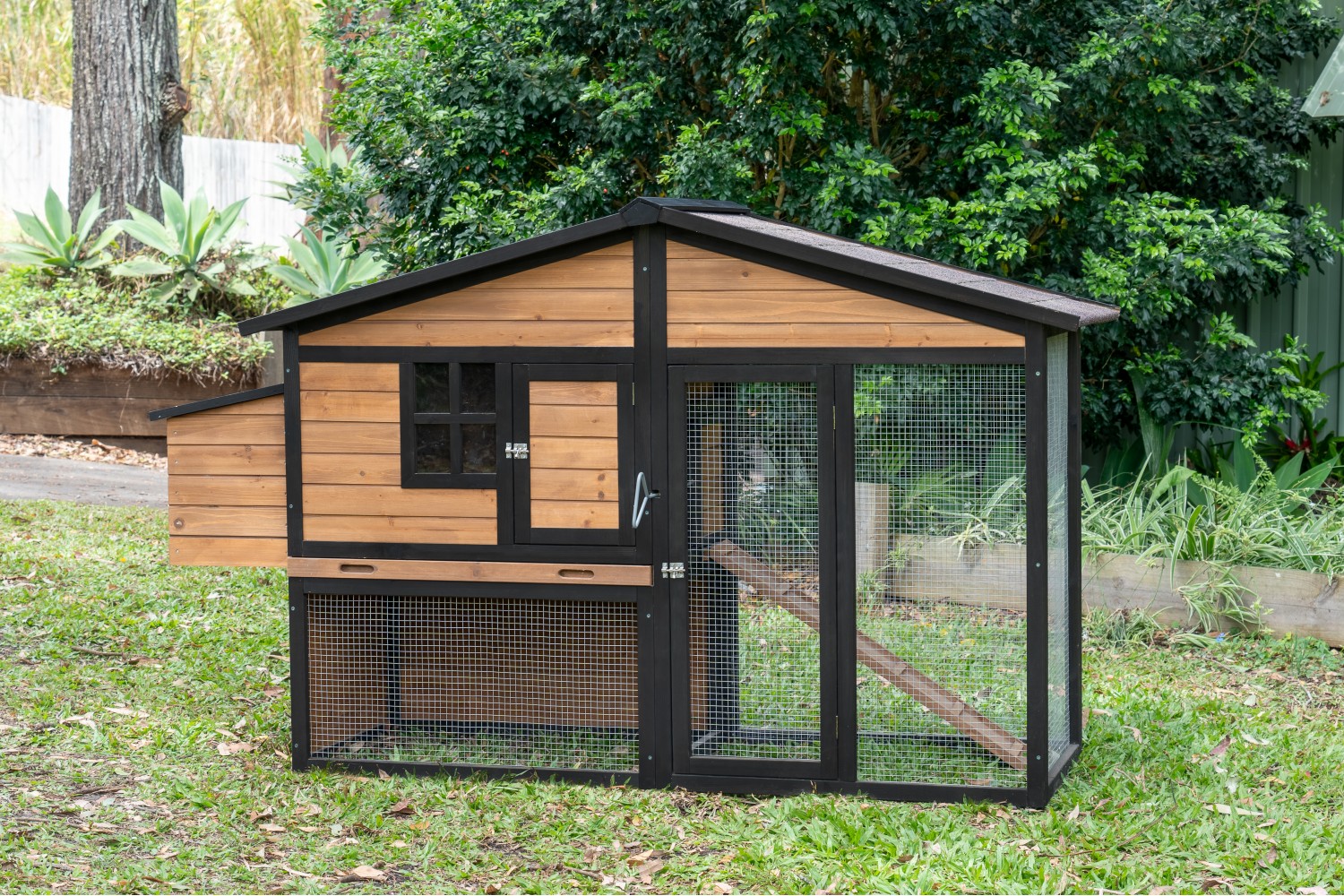
Brunswick A Frame Chicken Coop
Brunswick A Frame Chicken Coop The Brunswick chicken coop is made from 100% cedar wood which ..
$390.00
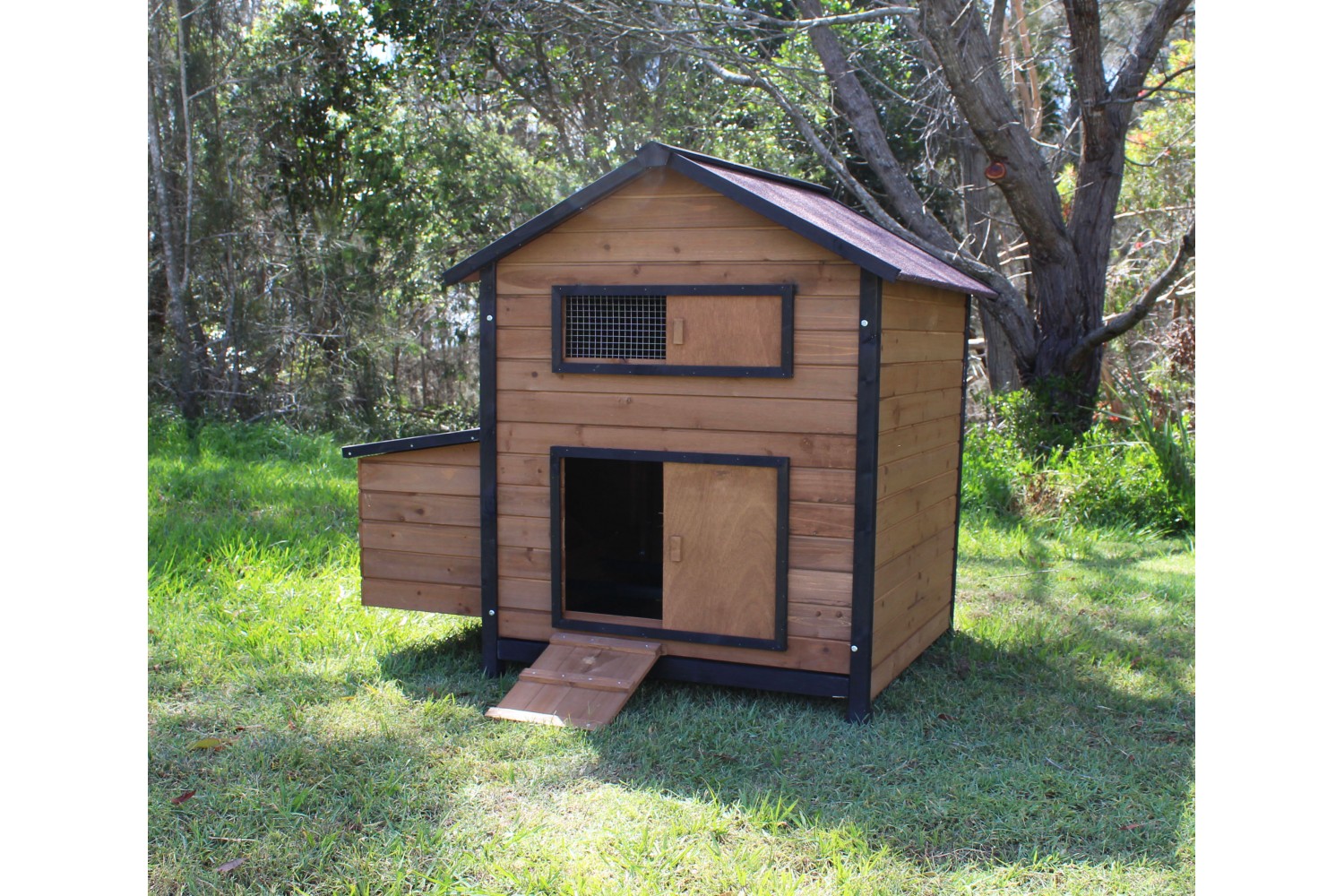
Brunswick Large Chicken Coop
Brunswick Large Chicken Coop The Brunswick Large chicken coop is made from 100% cedar w..
$390.00