
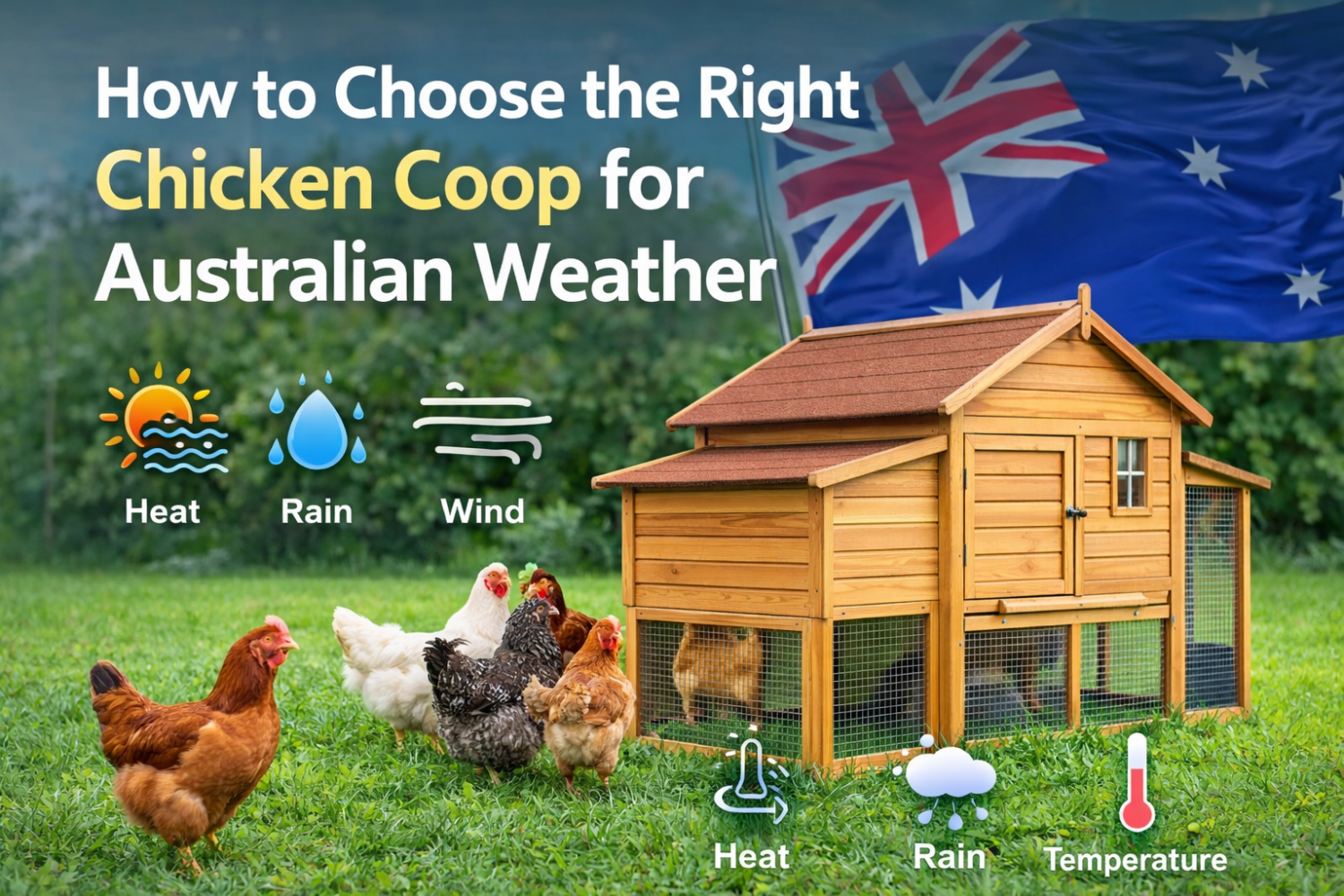

Australia's diverse climate always presents unique challenges for backyard chicken keepers. From the scorching summers of Queensland to the pleasant winters in Victoria, selecting the right chicken coop is crucial for keeping your flock healthy, productive, and safe throughout the year. The comprehensive guide will assist both first-time chicken owners and those seeking system upgrades to select suitable equipment for their needs.
Understanding Australia's Climate Challenges
Animal owners must learn about their region's weather patterns before they decide to purchase wooden chicken coops. Australia has three different climate zones, which include tropical areas with high humidity levels, desert regions that experience extreme heat, and areas that have mild temperate weather. Your feathered friends require shelter to protect themselves against severe temperatures, heavy rainfall, powerful winds, and strong ultraviolet radiation. The correct housing solution will determine whether chickens will thrive or experience stress that leads to decreased egg production.
Why Wooden Chicken Coops Excel in Australian Conditions
Australian conditions benefit most from wooden chicken coops because of their superior performance. Australian backyards obtain their best chicken coop options through wooden chicken coops, which provide both durable performance and essential operational capacity. Timber functions as a natural insulation material that effectively maintains internal temperature control to ensure that chickens remain comfortable during summer heat and winter cold periods. Wood creates a safe environment that maintains its temperature stability throughout different weather situations because it does not reach the extreme heat levels that metal materials do.
Wooden chicken coops provide two main advantages, which include adequate air movement systems plus protection against severe climate conditions. The natural material creates a comfortable living space that reduces stress and promotes healthy behaviours in your flock.
Essential Features for Australian Weather
The chicken coops come with some exceptional features that are compliant with the Australian Weather.
Ventilation is Non-Negotiable
Proper airflow prevents moisture buildup, reduces ammonia levels, and maintains temperature control. Coops should contain adjustable vents, which installers should position at high locations throughout the building. The system enables hot air to exit the space while maintaining chicken-level temperature stability through its design. Humid coastal areas require higher ventilation rates to protect against respiratory problems and mould development.
Insulation for Temperature Control
Australian summers can reach extreme heat conditions, which result in temperatures rising above 40°C throughout many regions. Your chicken coop should provide adequate insulation to buffer these extremes. Wooden structures deliver better natural insulation than metal ones since their performance improves when you add features like double-walled construction and insulated roofing panels. The chickens produce heat for their environment through natural insulation methods.
Weather-Resistant Construction
Australian conditions require better quality materials, which should protect against both direct sunlight and severe weather events. Select chicken coops made from wood which manufacturers have treated using non-toxic, weather-resistant coatings that shield the wood from both UV radiation and warping and rot damage. You should select timber that comes from sustainable sources and has demonstrated success in outdoor usage. The roof design is equally important.
So, the building needs a sloped waterproof roof because its design protects from heavy rain while delivering shaded areas for use during peak sunlight hours. You can select building materials like corrugated iron or treated timber shingles, which will match the wooden component of your structure to deliver better protection against severe weather.
Size and Space Considerations
Don't underestimate the importance of adequate space. The required space for each chicken equals 1-2 square meters, which must include both the coop area and the extra space needed for the connected run. Birds experience severe overcrowding problems because it causes them to stress their bodies by pecking at each other, which enables disease to spread, especially during extreme weather when birds remain inside.
You need to consider future space needs when you select your chicken coop. Purchasing a larger structure at the beginning proves more cost-efficient than buying a smaller unit, which requires multiple upgrades as your flock increases.
Predator Protection Meets Weather Resistance
Animals such as foxes, snakes, goannas and birds of prey pose danger to Australian backyards. Your coop needs to provide two essential functions, which include protection against predators and weather-safe housing. Security measures depend on using sturdy wire mesh, which provides small openings for airflow while also maintaining safety. The elevated design system, which uses legs to create height, prevents ground-dwelling predators from getting to your chickens while also providing better airflow through the structure.
Shade and Sun Protection
Chickens experience heat stress during periods of extreme sunshine, which occurs in Australia. Position your chicken coop in a location that receives morning sun but afternoon shade, or choose a design that incorporates covered outdoor areas. Some wooden chicken coops come with extended rooflines or attached pergolas that create shaded spaces where chickens can dust bathe and socialise during hot days.
Maintenance and Longevity
Quality wooden chicken coops require regular maintenance to perform optimally in Australian conditions. The protective coating systems require yearly examination while you apply new protective materials to ensure correct functioning. You need to examine the site for weather-related problems and pest infestations, and any signs of structural damage. Well-maintained wooden structures can last 10-15 years or more, providing excellent value for your investment. The design of your product includes removable trays, which provide easy access to doors, and other features that facilitate cleaning work to create an environment that promotes flock health through regular maintenance.
Regional Considerations
Northern Australia needs maximum airflow systems, which should include raised design features and shade elements to protect the building from harsh sunlight. In coastal regions, buildings need to use cyclone-resistant construction methods to withstand extreme weather conditions.
The people of Southern Australia need insulation systems that stop cold drafts while delivering weatherproofing protection against winter storms.
Final Thoughts
Last but not least, you need to weigh multiple pointers when selecting the right chicken coop suited for Australian Weather because your decision must consider both climate zones, flock size, budget restrictions and available space. You need to weigh multiple factors when selecting the right chicken coop for Australian weather because your decision must consider both climate zones, flock size, budget restrictions, and available space. Wooden chicken coops by Chicken Coops and Hutches deliver the range of benefits required to build a safe chicken space, which maintains its effectiveness no matter what outside conditions occur. So make your decision wisely.Related Product
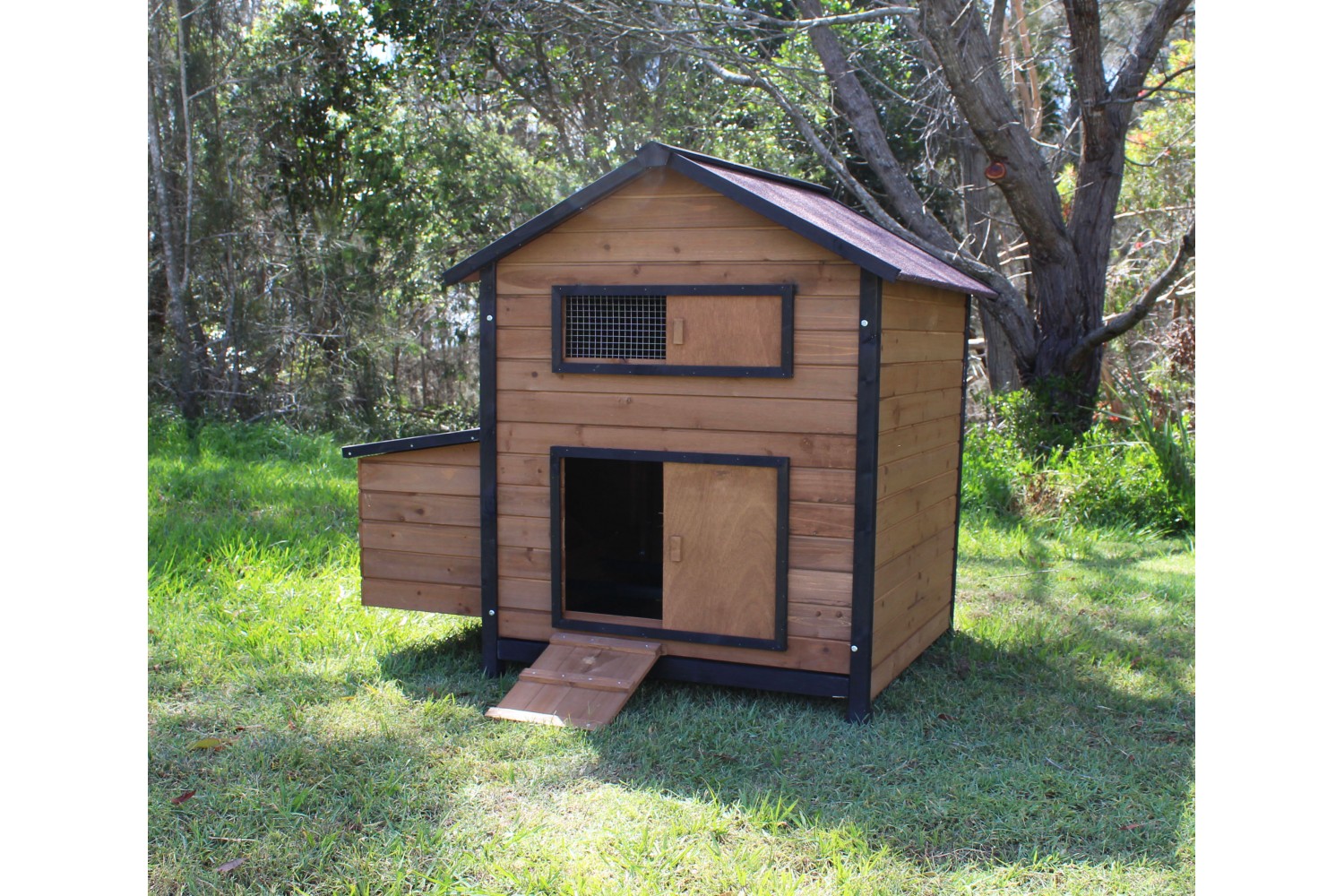
Brunswick Large Chicken Coop
Brunswick Large Chicken Coop The Brunswick Large chicken coop is made from 100% cedar w..
$390.00
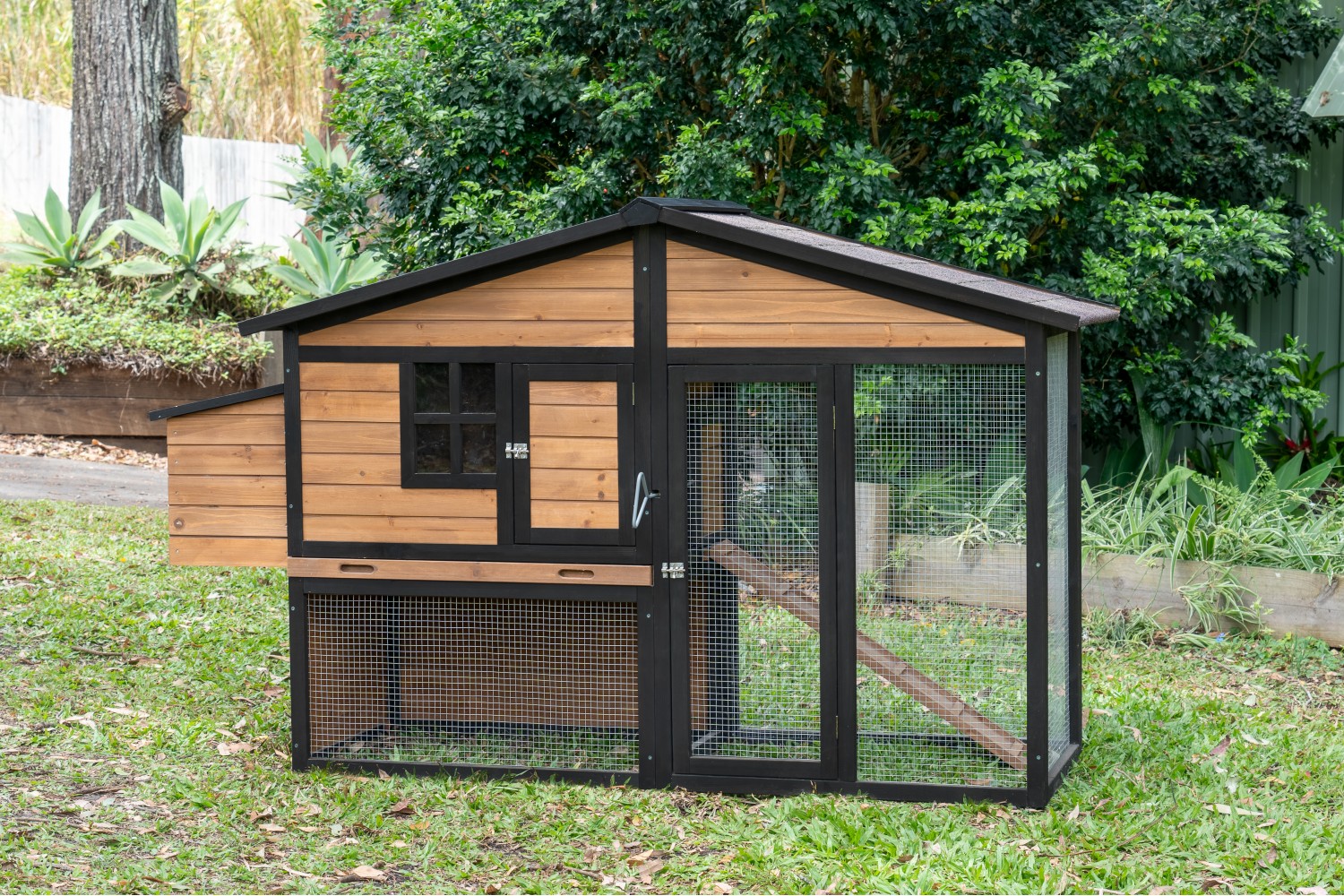
Brunswick A Frame Guinea Pig Palace
Brunswick A Frame Guineapig Palace The Brunswick chicken coop is made from 100% cedar wood wh..
$390.00
Brunswick A Frame Chicken Coop
Brunswick A Frame Chicken Coop The Brunswick chicken coop is made from 100% cedar wood which ..
$390.00

Automatic Chicken Door
Automatic Chicken Door:Please note single orders we send via australia post satchels costing $18&nbs..
$60.00